MTSO will be the new home of the Center for Integrative Pastoral Practice
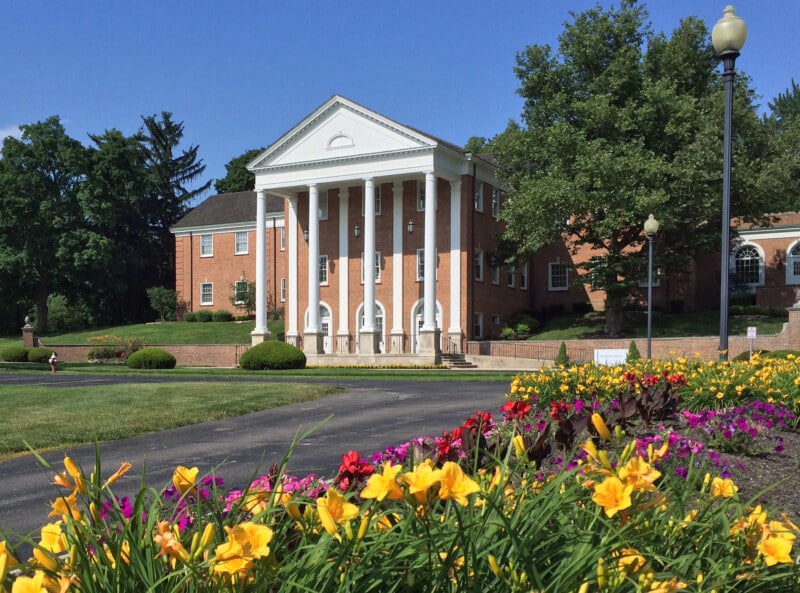
Methodist Theological School in Ohio has been selected as the new academic home of the Center for Integrative Pastoral Practice (CIPP).
CIPP, a Clinical Pastoral Education program which GBHEM has operated since 2018, is a vital component in the preparation of future chaplains, spiritual care providers and pastoral counselors, integrating theological knowledge with practical clinical training. It is fully accredited by the Association for Clinical Pastoral Education Inc. (ACPE)
 MTSO, one of 13 United Methodist seminaries, is accredited by the Association of Theological Schools and the Higher Learning Commission. CIPP@MTSO will build on the school’s existing collaborative efforts with OhioHealth, a nationally recognized, not-for-profit healthcare outreach of the United Methodist Church.
CIPP uses students’ existing ministry settings for the clinical assignments required for Clinical Pastoral Education (CPE) certification. CIPP@MTSO will serve students who are forging ministry pathways in both traditional and non-traditional contexts, from chaplaincy setting to churches to nonprofits such as social-service organizations and urban farms.
MTSO is prepared to assume operation of CIPP quickly, drawing from existing CIPP educators and those who are working within OhioHealth’s CPE programs. The school will begin offering CPE units this fall. Learn more about the program at MTSO here.
“Clinical Pastoral Education is vital to equipping spiritual leaders with the care practices they need for their unique ministry contexts,” said GBHEM General Secretary Roland Fernandes. “GBHEM was glad to have initiated and run this successful program for several years, but the current context calls us to think in new ways. Theological schools offer essential infrastructure for this kind of formation – recruitment, curriculum development, online study and community building. We are pleased that MTSO is taking on this important work with a proposal that provides exciting possibilities for the future.”
“We at MTSO are pleased to have the opportunity to collaborate with GBHEM as we assume the vital work of the CIPP program,” said MTSO President Jay Rundell. “Because we attract a wide array of students, we have seen the demand rise for community-based CPE. We expect CIPP will address that demand with both current and new constituencies.”
Contacts
Center for Integrative Pastoral Practice@MTSO
- Jeffrey Holman, Director, jholman@mtso.edu
- Ben Iten, Manager, biten@mtso.edu
Media
- Susan Clark, Chief Communications Officer for the General Boards of Higher Education and Ministry and Global Ministries, at communications@umcmission.org.
- Danny Russell, MTSO Director of Communications, drussell@mtso.edu or 740-362-3322.
About Methodist Theological School in Ohio
Methodist Theological School in Ohio provides theological education and leadership in pursuit of a just, sustainable and generative world. In addition to the Master of Divinity degree, the school offers master’s degrees in social justice, public theology and theological studies, along with a Doctor of Ministry degree. Learn more at mtso.edu.
About GBHEM
The General Board of Higher Education and Ministry (GBHEM) stewards the educational mission and intellectual life of The United Methodist Church, connecting the mission of the church and the academy and developing transformational leaders for the ministry of the church. Elders, deacons and licensed local pastors benefit from our training and candidacy programs. Young adults find help in clarifying their vocation and God’s call on their lives through leadership and discernment programs. GBHEM also supports and connects networks of more than 1,000 United Methodist and Methodist-related schools, colleges and universities around the world.
Related Posts

When Paul writes to the Philippians, he is aware that his life is unfinished. He knows he still has more to accomplish. He is driven by his mission and his love for others. I know an unfinished life is not the same as an abridged one. They have in common that they are not complete, that there is more to do.

The University Senate of The United Methodist Church has approved a new Framework for United Methodist Formation, establishing a more comprehensive and flexible approach to preparing United Methodist candidates for ministry at approved non-United Methodist theological schools.

As of late September 2026, This Moment Matters has disbursed $38.6 million across 681 grants in the areas of agriculture and food security, education, health, migration, and peace.