Reflections for Lent 2026: From Aspiration to Inspiration
A Lenten Reflection Series
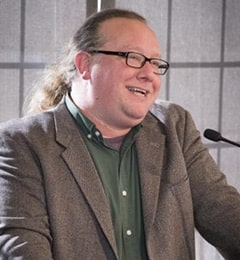
“Even where aspiration is important, my prayer is that we can all learn to be present to the inspiration around us, and the possibilities opened by being present, pausing, and leaning into grace and Spirit,” prays the Rev. David Wright. (Photo courtesy of Alla Kemelmakher)
By Rev. David Wright, University of Puget Sound
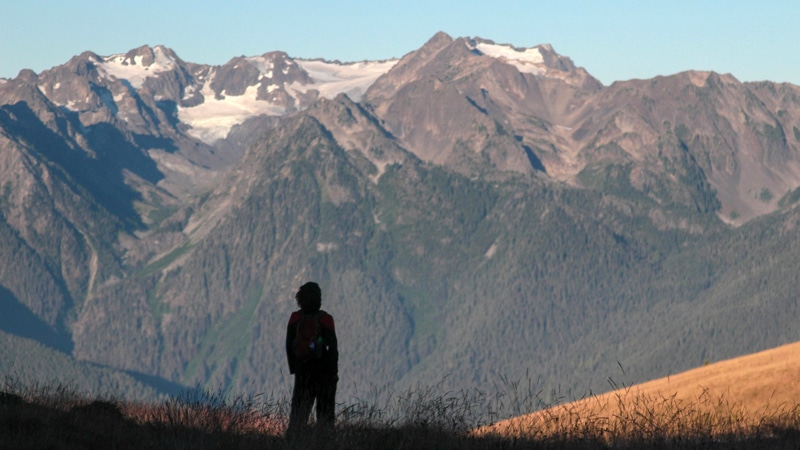
Twenty years ago, a mentor saw me starting to burn out. He encouraged me to take a personal retreat. This was both renewal and challenge – could I let myself BE for just a couple of days? A part of the plan was to go to Olympic National Park, just to walk in the meadows. With no hat, no food, no extra water, and Birkenstocks on my feet, I headed into the mountains.
Up on Hurricane Ridge, though, I was drawn toward a path ascending several hundred feet. Something called me to see how far I could go, out of shape and unprepared as I was. Very slowly, I made it to the top and sat watching the Salish Sea from high above. Going back down to my car, I was hurting – sunburned, thirsty, but fulfilled. I had done it.
This began a season of aspiration for me – harder trails, pushing myself further each hike. This continued for years, until I realized that I would need rock climbing and mountaineering skills to go further; not interested. I also began to realize that too much of my energy was focused on going further, higher than I had before. Something was changing.
Then the universe caught up with me – running into health barriers, work commitments, the great pause of the COVID era. This period of transition disrupted these years of aspiration. I felt disappointed, like I’d stopped trying. I had stopped trying, stopped pushing myself so hard.
What surprised me was how right this felt. I was no longer aspiring to the high and rocky places, but was soaking in forests, river trails, alpine meadows. These liminal spaces were not just a passage-way to the heights, but places of life and revelation. Almost 20 years after the retreat, I was learning how to pause, slow down, be present to myself and the world around me. Nature became more a place of spiritual inspiration, not personal aspiration.
This spiritual journey parallels the arc of my chaplaincy. “To the Heights” is the motto of our university, and our seal is a stratovolcano. My aspiration to be the best, to serve everyone, to be perfect had me back in the pattern of burnout…again. With wisdom from my transformed approach to hiking, and in collaboration with amazing colleagues and students, we began changing course. We began talking about creativity, joy, playfulness. We shifted tasks to better-aligned offices. Even in the hardest moments of loss and crisis, we found the ability to pause, to find inspiration in each other and in the space around us.
In this unexpected journey from aspiration to inspiration, 20 years into this chaplaincy, the scheming of the universe (or the presence of grace and the movement of Spirit) has recentered me, reshaped my ministry. Even where aspiration is important, my prayer is that we can all learn to be present to the inspiration around us, and the possibilities opened by being present, pausing, and leaning into grace and Spirit.
Related Posts

I had one of the most beautiful experiences at an Albergue. On El Camino de Santiago there are many opportunities to stop. Albergues are inns, places where people can stop for the night and rest. Some albergues offer different amenities during the day. Some serve as cafes, places where you can have a bite to eat, use the restroom, and refill your water bottle. Most of them would charge a euro to use the restroom. Some would not allow you to use the facilities unless you were a customer.

Facing ongoing global instability, the boards of Higher Education and Ministry and Global Ministries invest in strengthening mission and ministry, prepare for organizational change, and affirm a vision of hope.
Methodism has a long history with the concept of perfection. In 18th-century England, perfection or perfectionism was understood the same way it is today. Perfection meant something without error or blemish. John and Charles Wesley, and the early leaders of the Methodist movement, understood perfection differently. In their practice, perfection was related to the Greek term teleio, which conveys maturity, wholeness, and completion.