GBHEM Scholarship Fuels Kamara’s Vision for Inclusive Worship Ministry
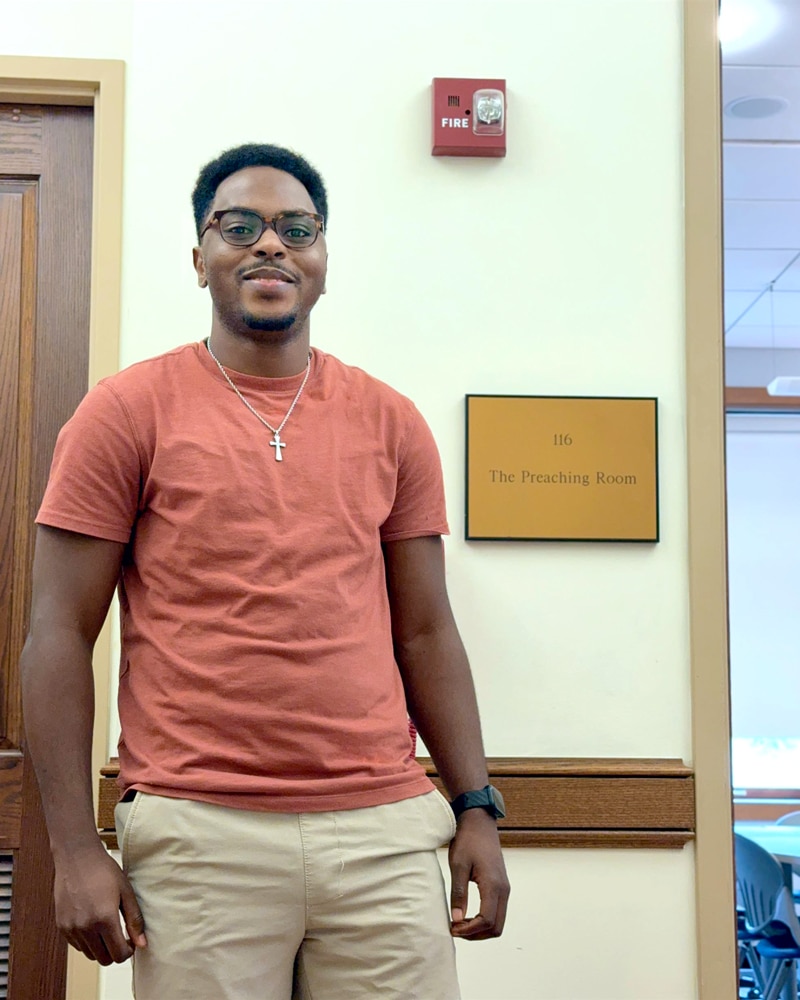
“This scholarship not only lightens the financial burden of seminary, but it also affirms my calling and encourages me to pursue ministry with passion and purpose.”
— Salia Kamara, scholarship recipient at Drew University Theological School
GBHEM Scholarship Program
GBHEM Scholarships offer financial aid to United Methodist students pursuing undergraduate and graduate degrees. Every year, an average of $4 million is awarded to help students in the United States and abroad pursue their dreams through higher education. With this financial aid, GBHEM is opening pathways for students of all backgrounds to earn their degrees and serve as the next generation of leaders for the church and the world. Learn more.
By Wendy R. Cromwell
NASHVILLE, Tenn. — Salia Kamara’s vision for ministry is rooted in justice, inclusion and the transformative power of worship. Thanks to a General Board of Higher Education and Ministry (GBHEM) scholarship, Kamara is one step closer to realizing his vision.
“This scholarship not only lightens the financial burden of seminary,” Kamara said, “but it also affirms my calling and encourages me to pursue ministry with passion and purpose.”
Kamara, a student at Drew University Theological School, received the scholarship to support his studies in music, worship and the arts. He plans to serve as a full-time worship leader and music minister in a diverse United Methodist congregation, blending African and Western traditions to create spiritually enriching and culturally inclusive worship experiences.
“I’m especially committed to inclusive and justice-centered ministry,” Kamara said. “This support helps make that vision a reality.”
His church, Asbury United Methodist in Camden, N.J., exemplifies that commitment through its food pantry and meal outreach programs to provide groceries and hot meals to families facing food insecurity, offering not just nourishment but dignity and hope as well.
“Seeing my church feed the homeless and support low-income families reminds me why ministry must be rooted in compassion and action,” he said.
Kamara’s seminary experience has deepened his faith and broadened his understanding of theology and justice. “Seminary has challenged me to think more critically and inclusively about how we live out the gospel,” he said. “It’s shaping me into the kind of leader I aspire to be.”
He hopes to work with children and young adults, develop worship curriculum and help churches foster spirit-led practices around the world. “Thank you for investing in my education and journey,” Kamara said. “I pray God continues to bless your work as you empower students like me to follow God’s call.”
Related Posts

I had one of the most beautiful experiences at an Albergue. On El Camino de Santiago there are many opportunities to stop. Albergues are inns, places where people can stop for the night and rest. Some albergues offer different amenities during the day. Some serve as cafes, places where you can have a bite to eat, use the restroom, and refill your water bottle. Most of them would charge a euro to use the restroom. Some would not allow you to use the facilities unless you were a customer.

Facing ongoing global instability, the boards of Higher Education and Ministry and Global Ministries invest in strengthening mission and ministry, prepare for organizational change, and affirm a vision of hope.
Methodism has a long history with the concept of perfection. In 18th-century England, perfection or perfectionism was understood the same way it is today. Perfection meant something without error or blemish. John and Charles Wesley, and the early leaders of the Methodist movement, understood perfection differently. In their practice, perfection was related to the Greek term teleio, which conveys maturity, wholeness, and completion.