Chaplaincy training in South Africa equips leaders in pastoral care
November 15, 2024 | by Kimberly Lord
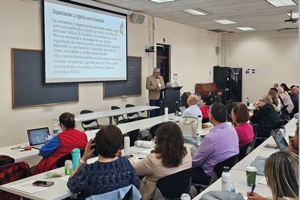
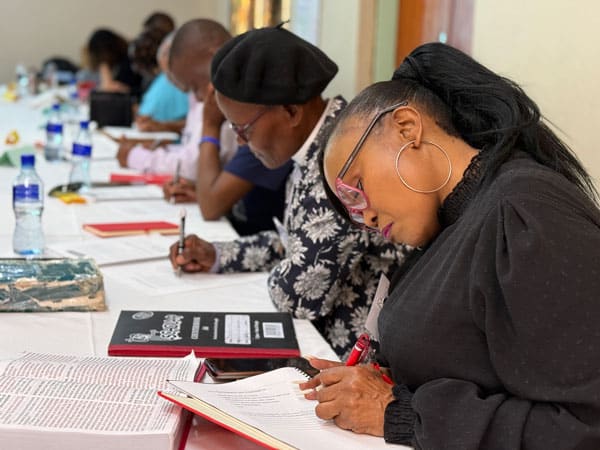
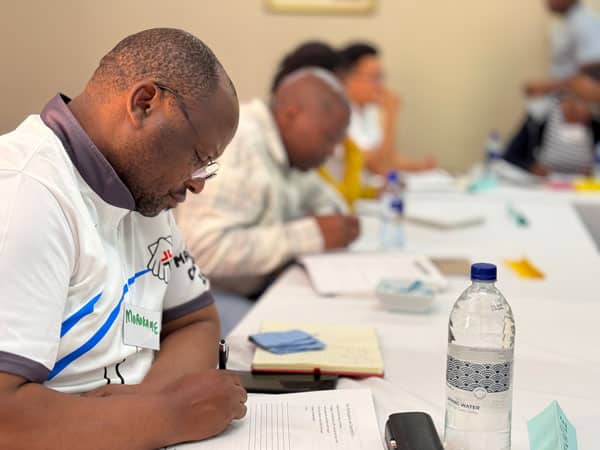
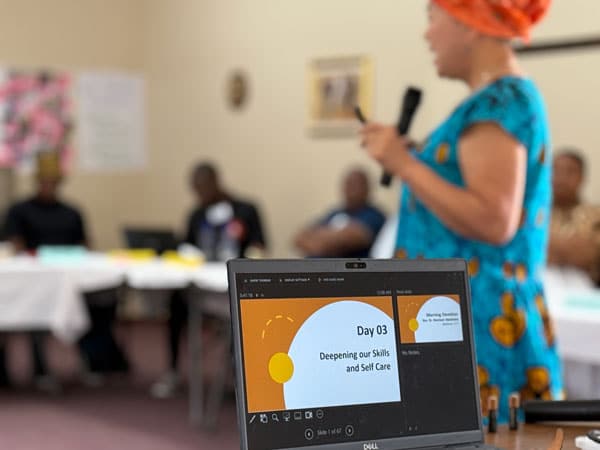
Muldersdrift, South Africa — The General Board of Higher Education and Ministry (GBHEM)’s, Leadership, Education, and Development (LEAD) Hub, South Africa, held an “Introduction to Chaplaincy” training from Oct. 28 to Nov. 1, 2024. This five-day program was designed to empower ministry leaders with essential chaplaincy and pastoral care skills to support people in settings beyond the walls of the church.
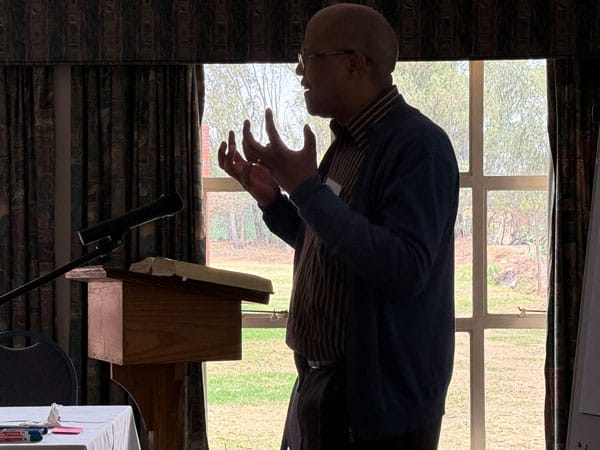
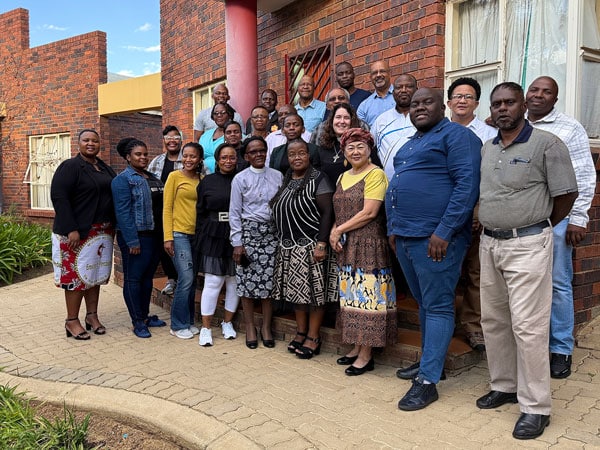
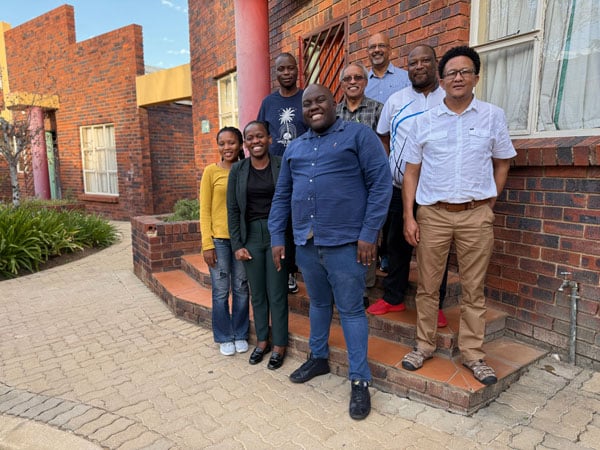
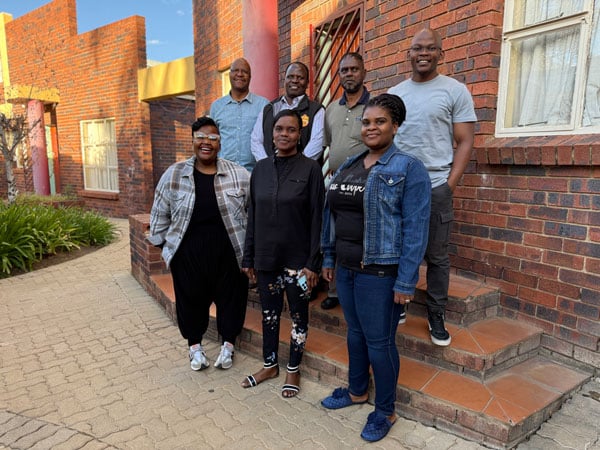
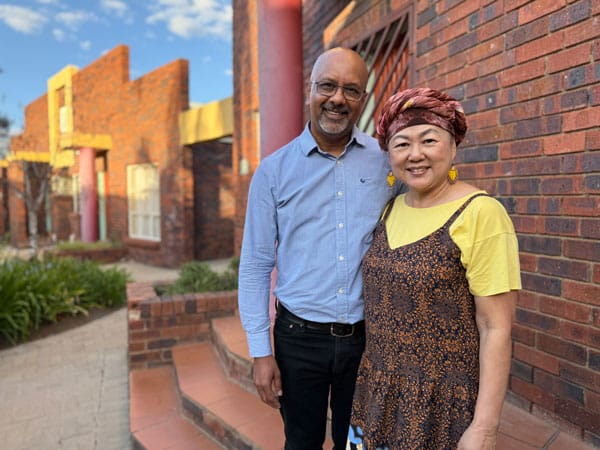
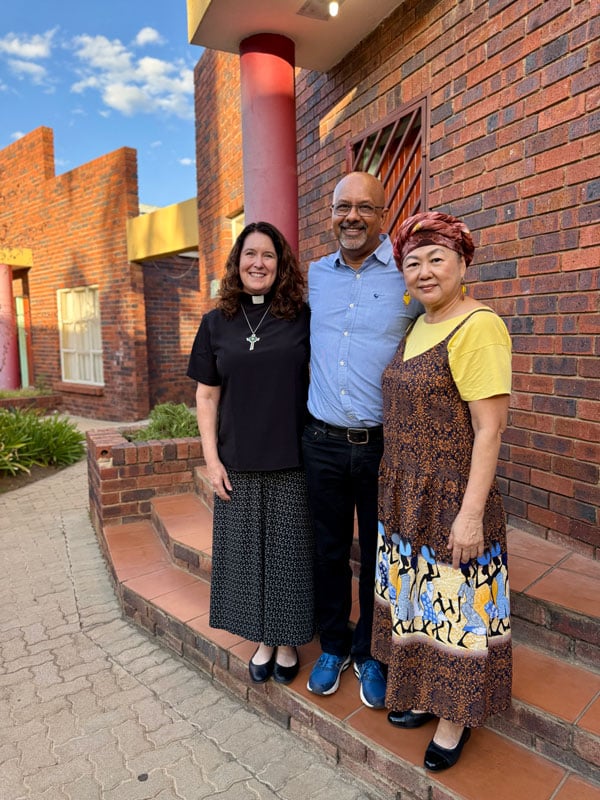
Participants from The United Methodist Church, The Methodist Church of Southern Africa and the Church of the Nazarene came together in Muldersdrift, South Africa, for this intensive, hands-on training conducted by the Rev. Dr. Soomee Kim, ACPE certified educator and executive director of GBHEM’s Center for Integrative Pastoral Practice (CIPP), and Dr. Stanley Arumugam, psychologist, coach and spiritual director for the Methodist Church of Southern Africa.
The program covered a comprehensive range of chaplaincy and pastoral care topics designed to deepen participants’ skills and spiritual practices, including:
- Understanding chaplaincy as a calling and the ministry of presence: Trainees learned about the significance of their role as chaplains and the importance of embodying God’s love and presence in their work.
- Developing listening and caring skills: Sessions emphasized essential communication techniques such as listening without interruption, tone of voice, body language and the use of empathetic responses to foster a meaningful connection with those they serve.
- Biblical foundations of pastoral care: The program explored the theological and scriptural basis for chaplaincy, particularly the concept of incarnation theology, where chaplains are called to be visible representatives of God’s love and compassion in the world.
- Self-care and stress management: Recognizing the demanding nature of chaplaincy, participants learned self-care practices and theology of self-care to avoid burnout and maintain their own spiritual well-being.
- Crisis and trauma support: Trainees gained practical skills to respond to crisis situations, including caring for individuals affected by trauma, working with emergency responders and empowering self-recovery.
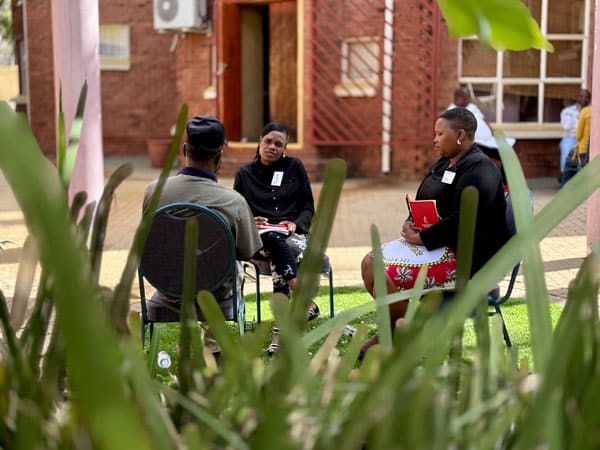
An unique aspect of the program was the integration of role-playing exercises, where participants acted as the chaplain, the client or the observer, giving them a setting to practice new skills. This hands-on experience allowed participants to practice building trust and offering pastoral care in a realistic, supportive environment.
“Chaplaincy calls us to serve in diverse settings and show God’s love beyond the confines of our churches,” stated Kim, emphasizing the broader mission of chaplaincy. “This training is a step toward equipping leaders with the tools to offer compassionate care in any environment, whether it’s a hospital, school, workplace or community center.”
GBHEM is dedicated to expanding access to chaplaincy training globally, ensuring that spiritual leaders are prepared to respond to the unique challenges of pastoral care in today’s world. By building skills in ethical practices, self-care and crisis response, GBHEM prepares leaders to serve compassionately and effectively wherever they are called.
To learn more about upcoming trainings, email cpe@gbhem.org.
Related Posts

The proposal to unify four general agencies of The United Methodist Church — Discipleship Ministries, Global Ministries (GBGM), Higher Education and Ministry (GBHEM), and United Methodist Communications (UMCom) — to create a new connectional ministries agency has passed its next significant milestone.

I had one of the most beautiful experiences at an Albergue. On El Camino de Santiago there are many opportunities to stop. Albergues are inns, places where people can stop for the night and rest. Some albergues offer different amenities during the day. Some serve as cafes, places where you can have a bite to eat, use the restroom, and refill your water bottle. Most of them would charge a euro to use the restroom. Some would not allow you to use the facilities unless you were a customer.

Facing ongoing global instability, the boards of Higher Education and Ministry and Global Ministries invest in strengthening mission and ministry, prepare for organizational change, and affirm a vision of hope.