Monday Reflections: There Is No Future Without Peace
“Blessed are the peacemakers, for they will be called children of God.”
— Matthew 5:9
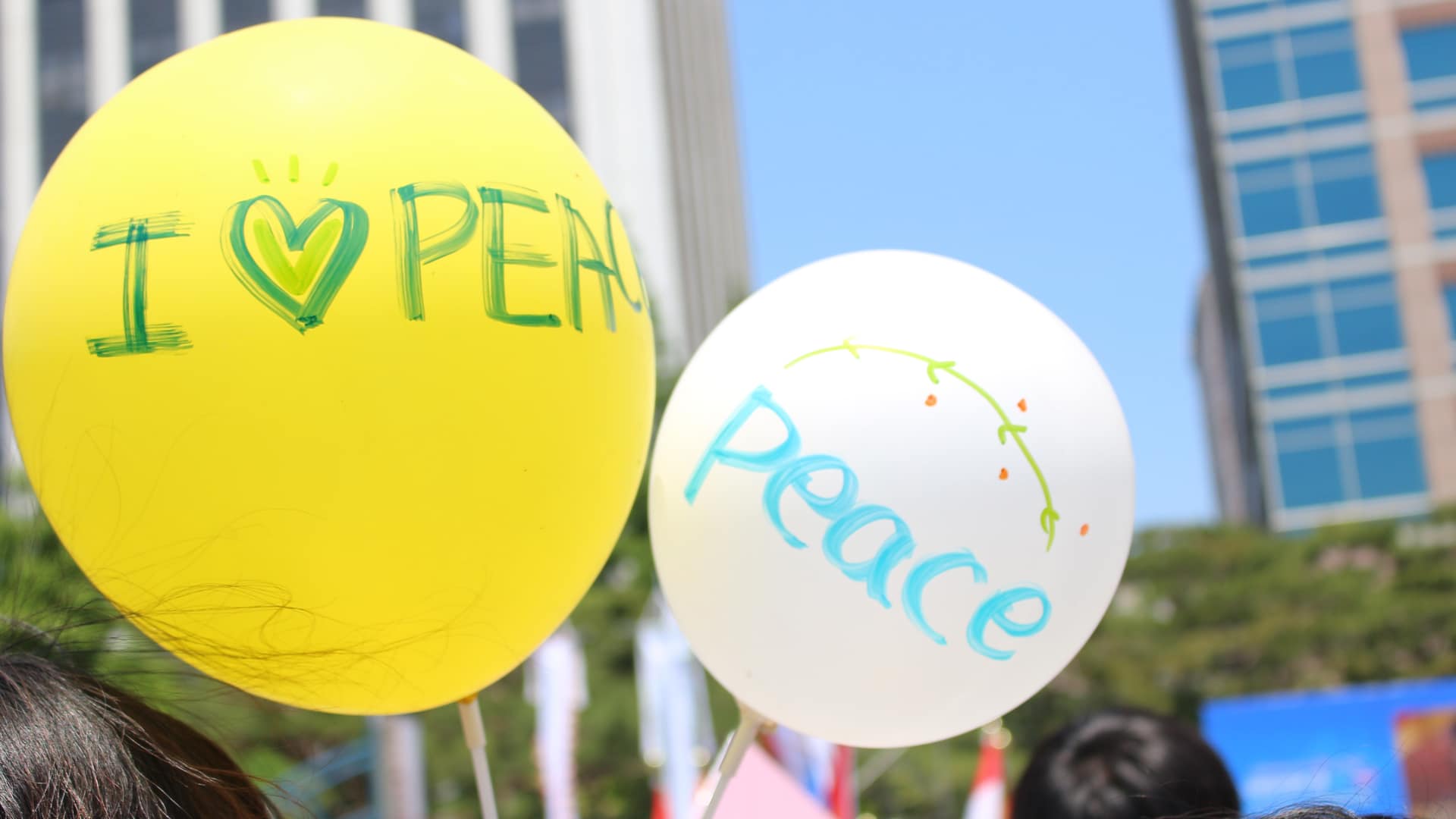
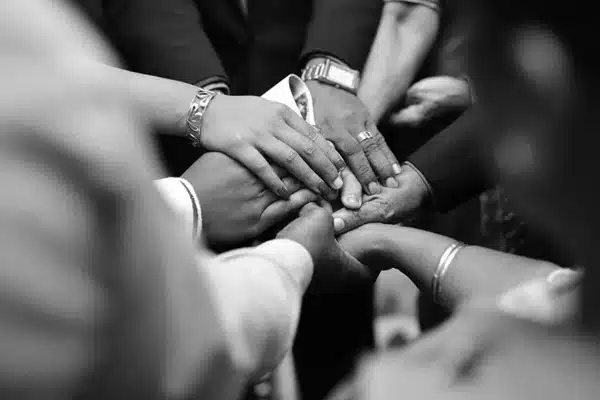
Photo by bigtorica
When I watch the evening news, it seems to me that instances of peace and peacemaking have become rare in the world. It is easy to become jaded or cynical with all the stories about conflict, war, and hatred that seem to fill our newsfeeds. When I talk to young people about peacemaking, I hear their cynicism. They’ve told me, “Why bother?” They seem to think no one is trying.
Of course, we know this is not true. Last summer, I saw an interview with Aziz Abu Sarah and Maoz Inon, two peacemakers in the Holy Land. Sarah, a Palestinian, and Inon, an Israeli, wrote a book about their friendship and their peacemaking experiences. After the October 7, 2023, Hamas attack on a Jewish music festival, Sarah reached out to Inon. This new friendship became a conduit for peace.
Their friendship was not easy to understand. Inon had lost family during that attack. Sarah had lost family in Israeli attacks on Palestinian territories. They listened to each other and saw themselves not as members of factions but as fellow human beings. Together, they wrote a book about their experiences, became friends, and shared their personal journey toward becoming peacemakers.
Sarah tells the story of a peace gathering they held for their parents’ generation. Half the attendees were Jewish, and the other half were Palestinian. Toward the end of the event, when they asked if anyone had a question, Sarah’s father raised his hand. He said, “I have a question. This Holocaust thing – did it really happen?” This was a very uncomfortable question. A rabbi at the event responded, “I don’t expect you to believe in something you never learned about.” Then he offered to take Sarah’s father to visit with his father, who was a Holocaust survivor. The other Palestinians raised their hands, indicating they wanted to join.
After that visit, the Israelis met with Palestinian management. They wanted to hear about their story to learn what Palestinians have experienced. They said, “We don’t know anything about the Nakba. You learned about the Holocaust. We want to learn about your history.” Palestinians took the Israelis to see the ruin of the villages destroyed in 1948. Inon and Sarah reflect that this exchange of narratives still happens today, because they were willing to ask difficult questions and listen deeply to each other’s stories.
A rabbi reflecting on these conversations told Sarah and Inon:
“Seeing the consequence of the Holocaust and the Nakba so close to one another speaks to the complicated nature of what’s happening here. Everyone’s pain is tribal, and we don’t necessarily see the pain of the other. What we need is to listen to each other’s stories and acknowledge that we all have trauma.”
Listening to one another, truly listening, is a way of peacemaking.
When Jesus said, “Blessed are the peacemakers,” he said it within the context of acknowledging the humanity of those around us. He called us to see the poor, the mournful, the meek, the justice-seekers, the merciful, and the pure in heart as people that God sees and hears, and as people whom God is actively working for in the world. If we see others not as adversaries or enemies, but as God sees them, then we will be peacemakers. If we advocate for them as God does, then we will be peacemakers. If we see them as fellow human beings, then we will be peacemakers.
And not only them. If we spend time with afflicted people and truly listen to their stories and grief, and we spend time seeing people and treating them as fellow human beings, we will be peacemakers too.
Regardless of what our newsfeeds tell us, we can change the narrative. We can be peacemakers.
Prayer
God of All, help me pursue peace and succeed as I see others as fellow human beings. Amen.

Rev. Eduardo Bousson
Senior Manager, Collegiate Ministries
The General Board of Higher Education and Ministry
The United Methodist Church
Related Posts

When I talk to young people about peacemaking, I hear their cynicism. They’ve told me, “Why bother?” They seem to think no one is trying.

The proposal to unify four general agencies of The United Methodist Church — Discipleship Ministries, Global Ministries (GBGM), Higher Education and Ministry (GBHEM), and United Methodist Communications (UMCom) — to create a new connectional ministries agency has passed its next significant milestone.

I had one of the most beautiful experiences at an Albergue. On El Camino de Santiago there are many opportunities to stop. Albergues are inns, places where people can stop for the night and rest. Some albergues offer different amenities during the day. Some serve as cafes, places where you can have a bite to eat, use the restroom, and refill your water bottle. Most of them would charge a euro to use the restroom. Some would not allow you to use the facilities unless you were a customer.