Monday Reflections: Hospitality
“Be hospitable to one another without complaining.”
— 1 Peter 4:9
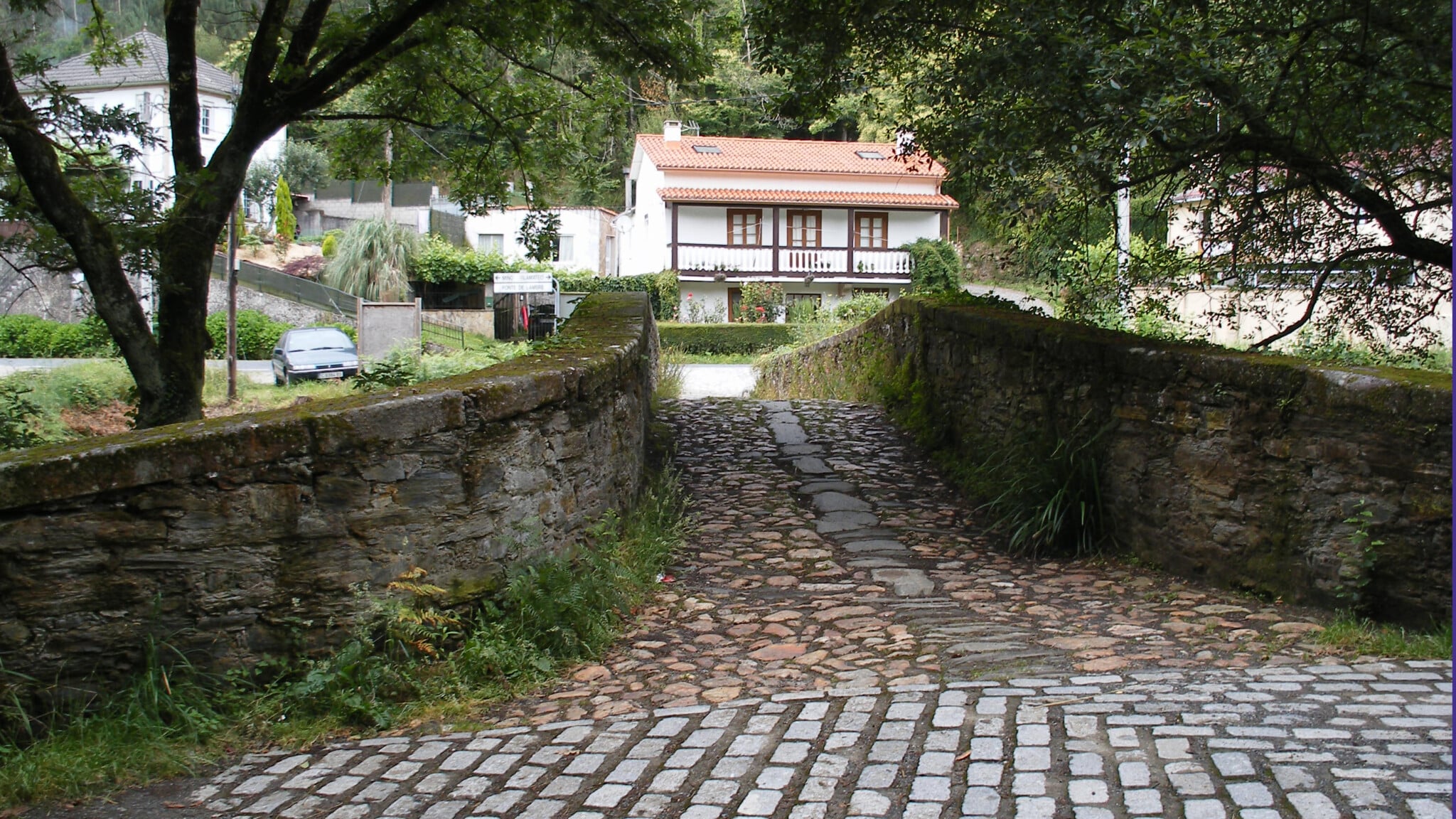
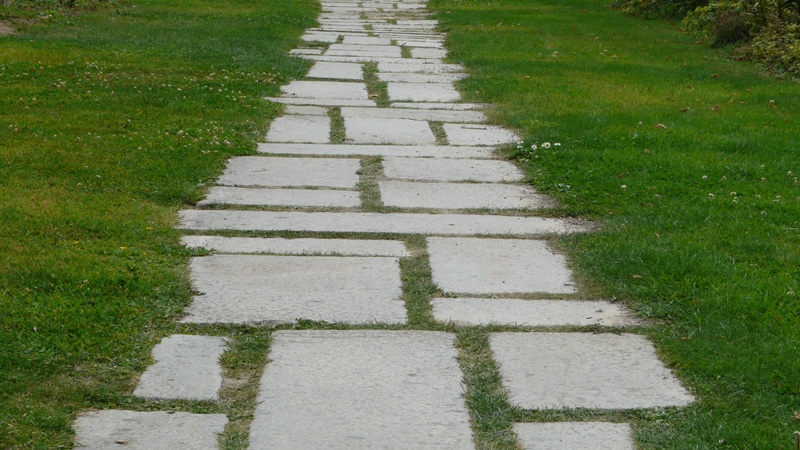
Photo by Xosé Antonio
I had one of the most beautiful experiences at an Albergue. On El Camino de Santiago there are many opportunities to stop. Albergues are inns, places where people can stop for the night and rest. Some albergues offer different amenities during the day. Some serve as cafes, places where you can have a bite to eat, use the restroom, and refill your water bottle. Most of them would charge a euro to use the restroom. Some would not allow you to use the facilities unless you were a customer.
There was an exception. There was an albergue with people on the side of the road, encouraging pilgrims and offering free hugs. I thought this was peculiar and decided to stop. I skipped the hugs and went straight inside. I learned the albergue was staffed by volunteers. It was owned by a religious nonprofit. Their mission is to offer hospitality to pilgrims. Volunteers were from all over the world. They pay their way to offer hospitality to strangers. I was inspired. I thought their service was beautiful.
Hospitality is one of the greatest of virtues. St. Benedict began his order of monks in the sixth century with hospitality as its cornerstone. In the monastic rule he wrote he reminded monks that “all guests who present themselves are to be welcomed as Christ.” Still to this day, Benedictine communities live by the rule of hospitality. They remind us that we are to welcome others as if we were welcoming Christ.
Hospitality can also be a burden. Often, we are trusted with multiple responsibilities that leave us little space to welcome others. Sometimes we don’t have the means or the time to offer physical hospitality. But hospitality is not only physical. There is virtue in making emotional space to welcome others. For me this is probably the most difficult. Some people are just difficult to welcome. Are we meant to make space for them too?
Kathleen Norris reflects that not offering hospitality to others, even a difficult person, is to turn our back on the world. She writes, “Hospitality has a way of breaking through the defenses of insularity.” When we make space for others by being present in the moment, we are telling them they are valued. When we offer hospitality by truly listening, we become part of a much bigger world. A world where all are welcomed. By being good hosts with our spaces and our hearts, we become builders of a new world.
Prayer
God, you welcomed us from the day we were born and have been present in every stage of our lives. Help us be present for others. Help us build a world where all are welcome. Amen.

Rev. Eduardo Bousson
Senior Manager, Collegiate Ministries
The General Board of Higher Education and Ministry
The United Methodist Church
Related Posts

I had one of the most beautiful experiences at an Albergue. On El Camino de Santiago there are many opportunities to stop. Albergues are inns, places where people can stop for the night and rest. Some albergues offer different amenities during the day. Some serve as cafes, places where you can have a bite to eat, use the restroom, and refill your water bottle. Most of them would charge a euro to use the restroom. Some would not allow you to use the facilities unless you were a customer.

Facing ongoing global instability, the boards of Higher Education and Ministry and Global Ministries invest in strengthening mission and ministry, prepare for organizational change, and affirm a vision of hope.
Methodism has a long history with the concept of perfection. In 18th-century England, perfection or perfectionism was understood the same way it is today. Perfection meant something without error or blemish. John and Charles Wesley, and the early leaders of the Methodist movement, understood perfection differently. In their practice, perfection was related to the Greek term teleio, which conveys maturity, wholeness, and completion.