Tuesday Reflections: Barcelona
“The geographical pilgrimage is the symbolic acting out of an inner journey. The inner journey is the interpolation of the meanings and signs of the outer pilgrimage. One can have one without the other. It is best to have both.”
—Thomas Merton
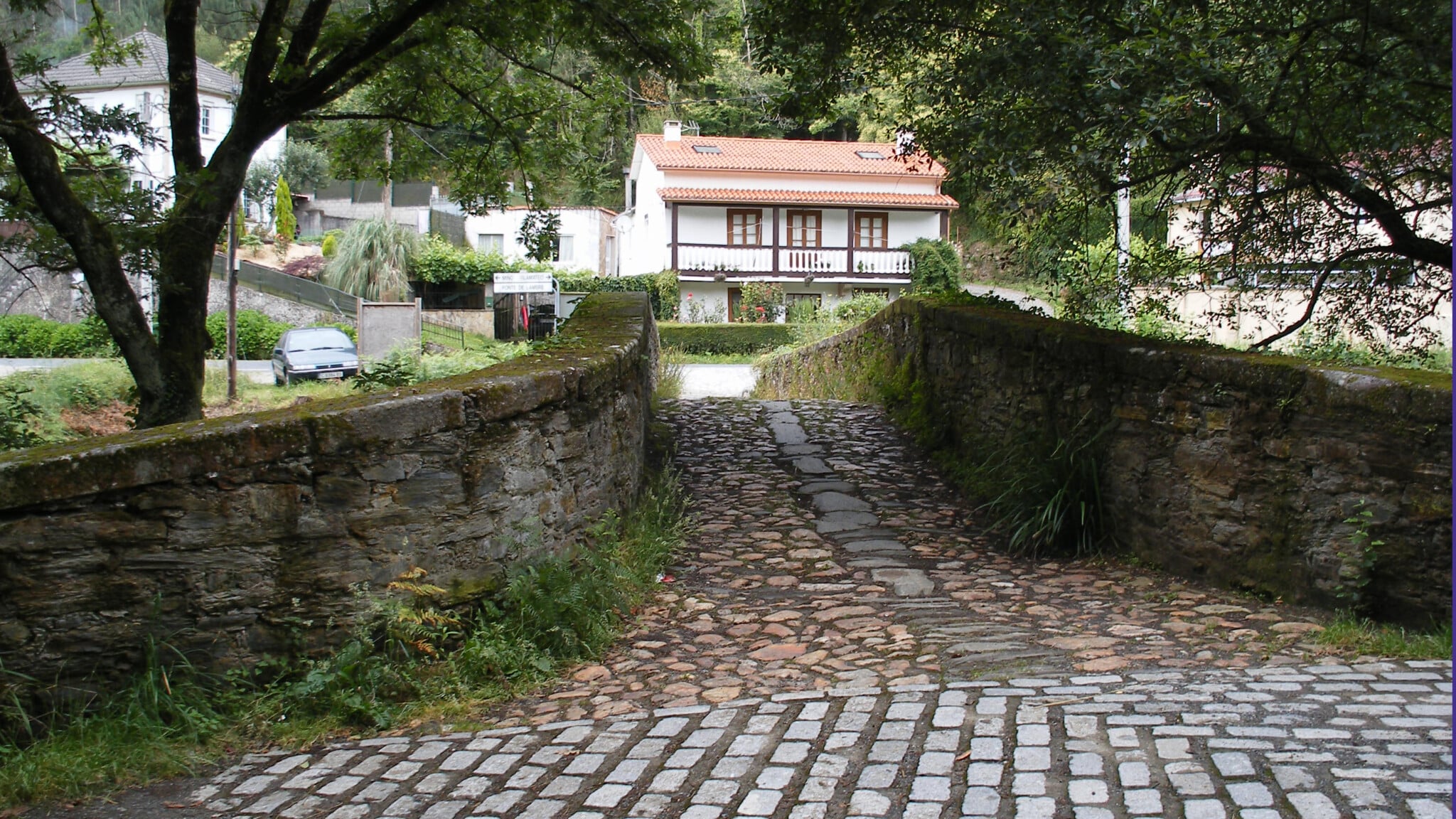
Last May, I had the honor of leading a group of chaplains and campus ministers on El Camino de Santiago in Spain. The experience was life-changing for all participants. After we completed El Camino, I took a few days off to meet my sisters in Barcelona for a weekend together. While there, I visited La Sagrada Familia Basilica. Being in and around the building was a deep spiritual experience.
La Sagrada Familia began construction in 1882. One year later, famed architect Antoni Gaudí took over the project. He envisioned the façade as an open gospel for everyone. The northeast side of the façade tells the story of Christ’s birth. The opposite side tells the story of his death. Work now continues on the last façade, which will tell the story of Christ’s resurrection and coming reign. Work on this Basilica is ongoing, with five generations of architects contributing to what Gaudi began.
The inside of the Basilica is complete. In it, Gaudi wanted to bring the outside world in. Depending on the time of day, the stained-glass windows reflect green, blue, orange, or red hues, reminding us of the beauty of the passing of time. Columns are designed as trees with deep roots and playful branches. While the outside tells the story of the Christian faith, Gaudi designed the inside for worshippers to experience the Divine. I have heard the story of the Gospel all my life. The architecture of that building reminded me that the message of Christ’s birth, death, and resurrection was rather simple: God is with us.
Merton’s quote reminded me of my experience at Sagrada Familia. The outer pilgrimage, or the façade of our experiences, gains deeper understanding when engaged with our inner journey. We can do one without the other. It is best to have both.
Self-reflection is essential in our inner pilgrimage. It is the way we connect with God, or, as Parker Palmer puts it, our inner teacher, and reveals the passages and thresholds that lie ahead. Self-reflective practices, such as prayer and meditation, can accompany our daily walks or times of solitude.
Life can be hard at times. Please remember, you are not alone. Bringing our outer and inner pilgrimage together makes space for the wisdom we deeply need as God caringly guides us through life.
Prayer
God of the Way, help me remember to make time to engage my inner journey as I pilgrimage in this life. Remind me I am not alone. Remind me you are always with me on this journey. Amen.
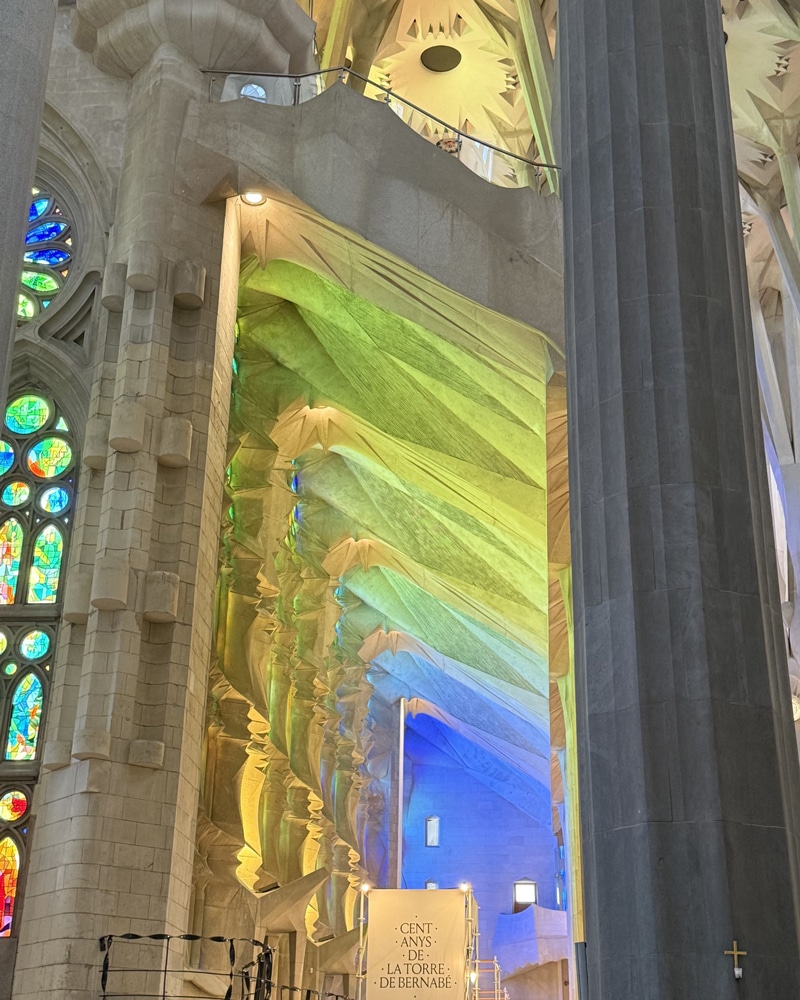
Light flows through the La Sagrada Familia Basilica east windows evoking growth and life. Photo courtesy of Rev. Dr. Eduardo Bousson
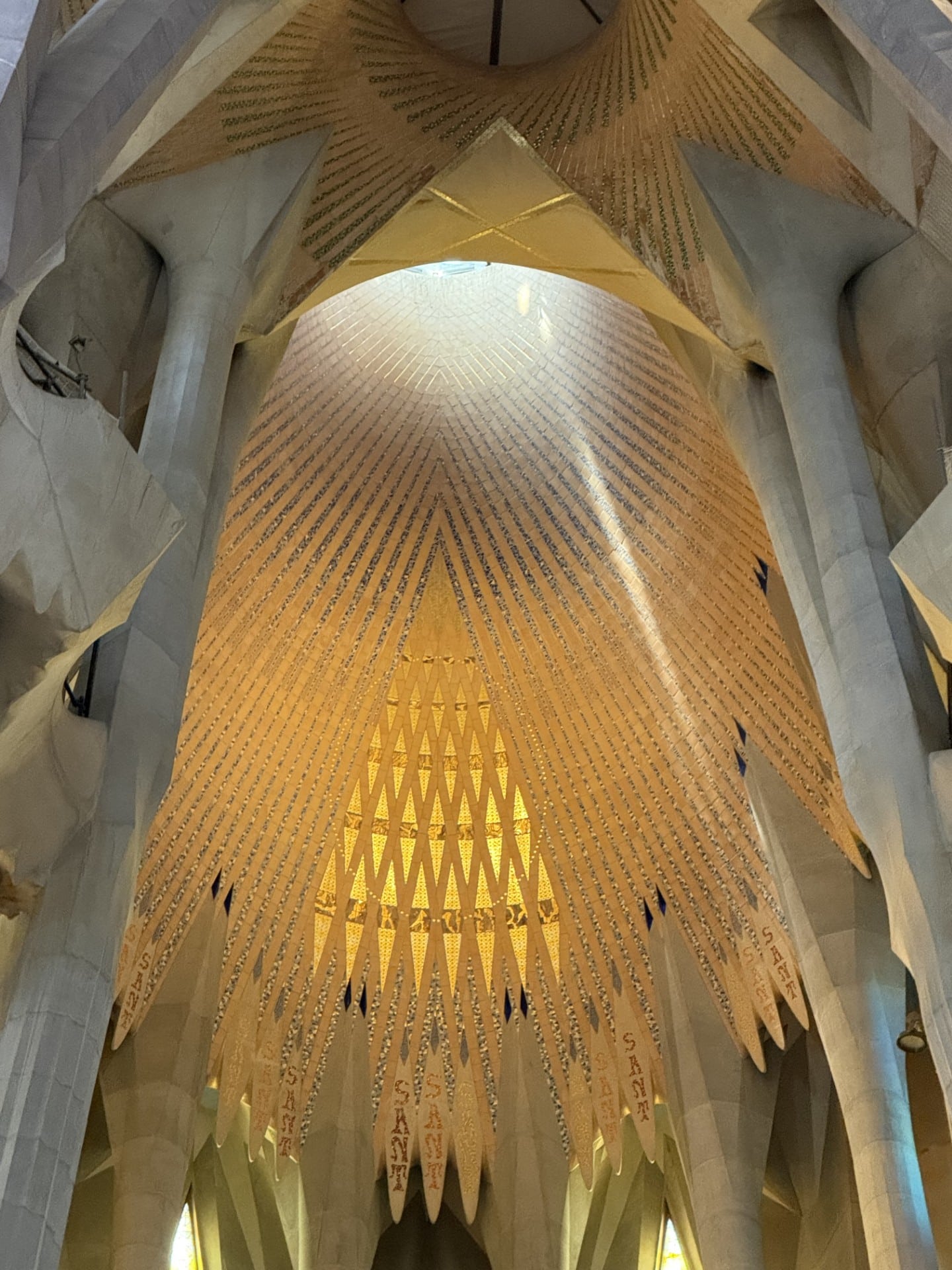
Light floods through the main dome of the La Sagrada Familia Basilica dome illuminating the altar. Photo courtesy of Rev. Dr. Eduardo Bousson

Rev. Dr. Eduardo Bousson
Senior Manager, Collegiate Ministries
The General Board of Higher Education and Ministry
The United Methodist Church
Related Posts

I had one of the most beautiful experiences at an Albergue. On El Camino de Santiago there are many opportunities to stop. Albergues are inns, places where people can stop for the night and rest. Some albergues offer different amenities during the day. Some serve as cafes, places where you can have a bite to eat, use the restroom, and refill your water bottle. Most of them would charge a euro to use the restroom. Some would not allow you to use the facilities unless you were a customer.

Facing ongoing global instability, the boards of Higher Education and Ministry and Global Ministries invest in strengthening mission and ministry, prepare for organizational change, and affirm a vision of hope.
Methodism has a long history with the concept of perfection. In 18th-century England, perfection or perfectionism was understood the same way it is today. Perfection meant something without error or blemish. John and Charles Wesley, and the early leaders of the Methodist movement, understood perfection differently. In their practice, perfection was related to the Greek term teleio, which conveys maturity, wholeness, and completion.