Interfaith Learning and Cooperation on United Methodist Campuses
The General Board of Higher Education and Ministry (GBHEM) supports increased interfaith dialogue among United Methodist campuses, providing students with the education and skills they need to be leaders in a religiously pluralistic world. With financial support from the Texas Methodist Foundation (TMF), Interfaith Youth Core (IFYC) partnered with GBHEM, Emory & Henry College, and Oklahoma City University to sponsor Called to be Neighbors: A United Methodist Higher Education Convening on Interfaith Cooperation.
Approximately 100 students, faculty, and staff from more than 30 United Methodist-related colleges and universities from across the U.S. came together for this gathering last fall with the purpose of networking and exploring effective strategies to deepen interfaith learning and cooperation on their campuses.
The Called to be Neighbors initiative is part of a generous, multi-year grant provided by Lilly Endowment Inc. to develop Christian leaders for a multi-faith world through engaging denominational higher education networks. As the grant recipient, IFYC has facilitated conversations with several church-related education networks, including those affiliated with The United Methodist Church (UMC), the Evangelical Lutheran Church in America (ELCA), The Presbyterian Church (USA) and The Catholic Church.
Amanda Allen, director of schools, colleges and universities at GBHEM, has led the agency’s involvement with this mission. “As our society grows increasingly diverse, the importance of young leaders with the ability to navigate differences has never been stronger,” said Allen. “Beyond the importance of advancing interfaith cooperation, we want to examine how interfaith dynamics unfold within higher education institutions that have a United Methodist identity.”
United Methodist campus leaders reconvened this month via webinar to share key insights and reflections on interfaith learning and cooperation based on information gathered at the fall 2016 conference. IFYC also announced the Interfaith Innovation Grant recipients at the March meeting.
2017 Interfaith Innovation Grant Recipients
Eight United Methodist-related schools were awarded Interfaith Innovation Grants, in varying amounts, through the Called to be Neighbors initiative. These grants will help students and school leaders enhance interfaith learning programs on their campuses.
A selection committee comprised of IFYC staff and a GBHEM staff member reviewed all grant applications to help distribute $15,000 in grant funds. The grant funds were provided by TMF.
The selected projects focus on building and expanding the leadership practices of students, faculty and staff, as well as campus-wide strategies for religious diversity and community partnership. Grant recipients will submit a midpoint report in June 2017 and a final report in December 2017. They will also participate in two peer phone calls where they will have the opportunity to share learnings from their various projects and help one another troubleshoot challenges.
“We anticipate other opportunities will emerge for grantees to report out to the Methodist higher education network,” said Joe Morrow, campus engagement manager, Interfaith Youth Core. “Our hope is that the funded projects will inspire other campuses to generate and implement similar ideas.”
2017 Interfaith Innovation Grant Recipients:
- Brevard College, Brevard, North Carolina: Campus Wide Strategy
- Emory & Henry College, Emory, Virginia: Leadership Practice of Religious Accommodation
- Hamline University, Minneapolis, Minnesota: Leadership Practices of Student Leadership, Staff and Faculty Capacity, and Campus Community Partnership
- Hendrix College, Conway, Arkansas: Leadership Practices of Identity and Mission, Campus Wide Strategy and Student Leadership
- Lebanon Valley College, Annville, Pennsylvania: Leadership Practices of Accommodation for Religious Diversity and Student Leadership
- University of Evansville, Evansville, Indiana: Leadership Practices of Staff and Faculty Capacity and Academic Priority
- University of Indianapolis, Indianapolis, Indiana: Leadership Practices of Accommodation for Religious Diversity, Staff and Faculty capacity, as well as Student Leadership
- University of Mount Union, Alliance, Ohio: Leadership Practices of Campus Strategy, Accommodation for Religious Diversity, and Student Leadership
To learn more about the division of higher education, visit www.gbhem.org.
About GBHEM: As the leadership development agency of The United Methodist Church, the General Board of Higher Education and Ministry’s mission is to lead and connect the educational and ministerial life of the church. Every elder, deacon and licensed local pastor benefits from our training and candidacy programs. Many young adults find help in clarifying their vocation and God’s call on their lives through our leadership and discernment programs. Follow us on Twitter and Facebook: @GBHEM.
Related Posts

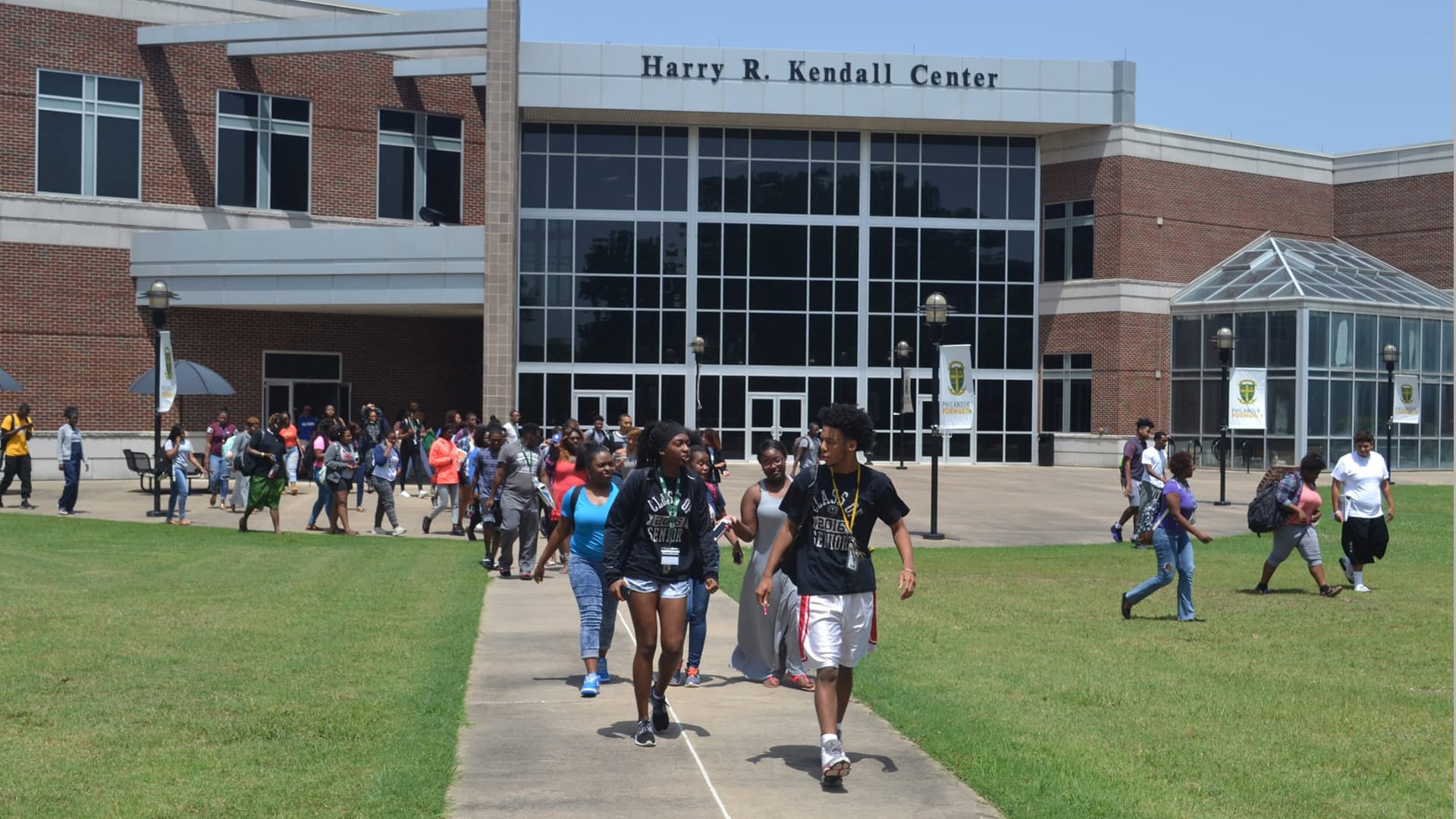
LITTLE ROCK, Ark. — For Philander Smith University President Dr. Maurice Gipson, support from The United Methodist Church, its General Board of Higher Education and Ministry (GBHEM), and the Black College Fund is essential. “I look at those funds as our version of state support,” Gipson said. “Without the support, there would be critical infrastructure activity we’d be unable to do.”

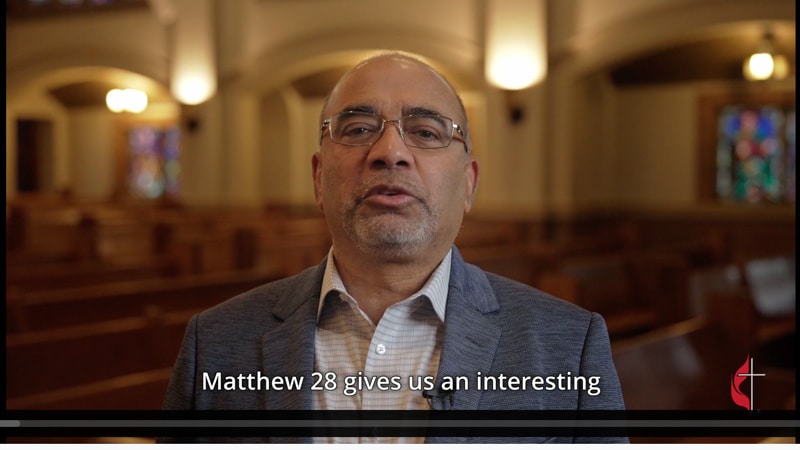
There is no shortage of alarming events in our world today. News of pain and violence perpetrated against the most vulnerable is everywhere. It is easy to become paralyzed by fear. Overwhelmed by the amount of suffering. And in the process, lose sight of caring for our neighbor.
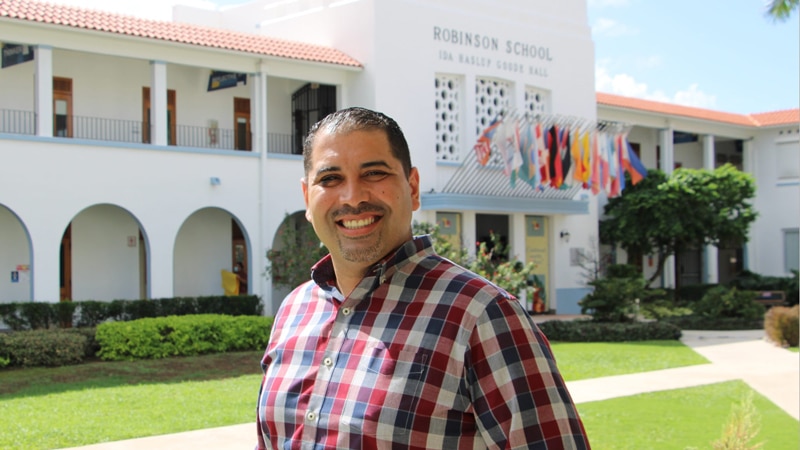
Rev. Justin Colón, chaplain at Robinson School in San Juan, a missionary-founded girls’ school that has grown into an international, English-speaking co-ed prep school, says his work with students is grounded in a steady sense of hope shaped by his faith.