Bridging Worlds: Rev. Sharon Rubey’s Call as a United Methodist Deacon
By Wendy R. Cromwell
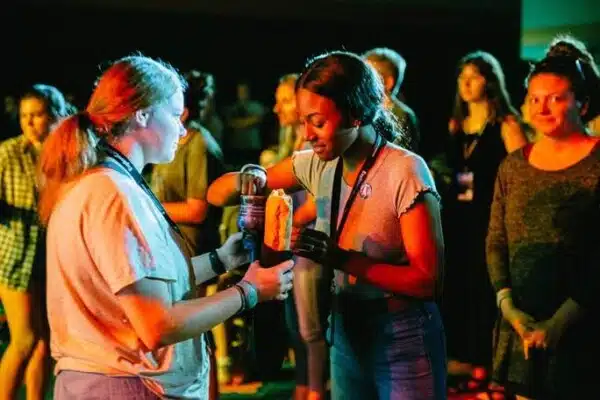
Standing in a crowded communion line as a college student, the Rev. Sharon Rubey encountered the moment that would shape her ministry, and her understanding of the role of a deacon.
“We were standing in the communion line… and it was where we served one another,” she recalled. When she turned to serve the person behind her, she saw “a very huge, tall young man… and he didn’t speak the same language that I did.”
That brief exchange carried lasting meaning. “We served one another communion. It was moving,” she said. “I knew at that time that… God was showing me what a life of service would be like.”
For Rubey, that moment became a blueprint for what deacons are called to do: serve across differences, connecting people, cultures, and communities. She describes that work as “bridging the gap between the church and the world.”
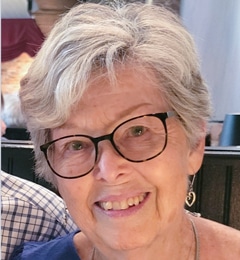
Rev. Sharon Rubey
Over decades of ministry, that calling took shape in both global and local contexts. With The United Methodist Church’s General Board of Global Ministries, Rubey traveled internationally, witnessing the work of missionaries and sharing their stories with congregations across the United States. “I… learned their stories,” she said, then went church to church “telling them about the service of United Methodist missionaries.”
That work brought deep satisfaction. “It was literally miraculous what some of the people were doing,” she said of the ministries she encountered, adding that sharing those experiences “gave a lot of meaning to what I was doing, and it was very joyful.”
At the same time, her work in an Atlanta community center grounded her ministry among people she described as “marginalized from opportunities, from services, and experiencing racial injustice.” Supporting children in after-school programs, working with families, and helping create community for seniors were among the moments that sustained her. “It was very fulfilling ministry.”
Rubey was part of the first generation to help define the modern Order of Deacons, a role she believes has only grown more essential. “Deacons have been uniquely called to serve in this role of bridging the gap,” she said, describing their place “at the threshold of the church, bringing the church and the world together.”
The evolution of the role from “word and service” to include “compassion and justice” is key to its impact, Rubey said. “Compassion and justice are the defining attributes.”
Rubey believes that calling is urgent. “We need those who bridge the gap… more than ever today,” she said.
From a single communion moment to a lifetime of ministry, Rubey continues to stand at the threshold of the church and connect it to the world it serves, reflecting the enduring purpose of deacons.
Bridging Church and World
Through diverse ministries and shared purpose, meet six deacons who embody a calling rooted in Word, service, compassion, and justice. Their stories in the coming weeks mark the 30th anniversary of the Order of Deacons and its enduring mission to build bridges of hope.
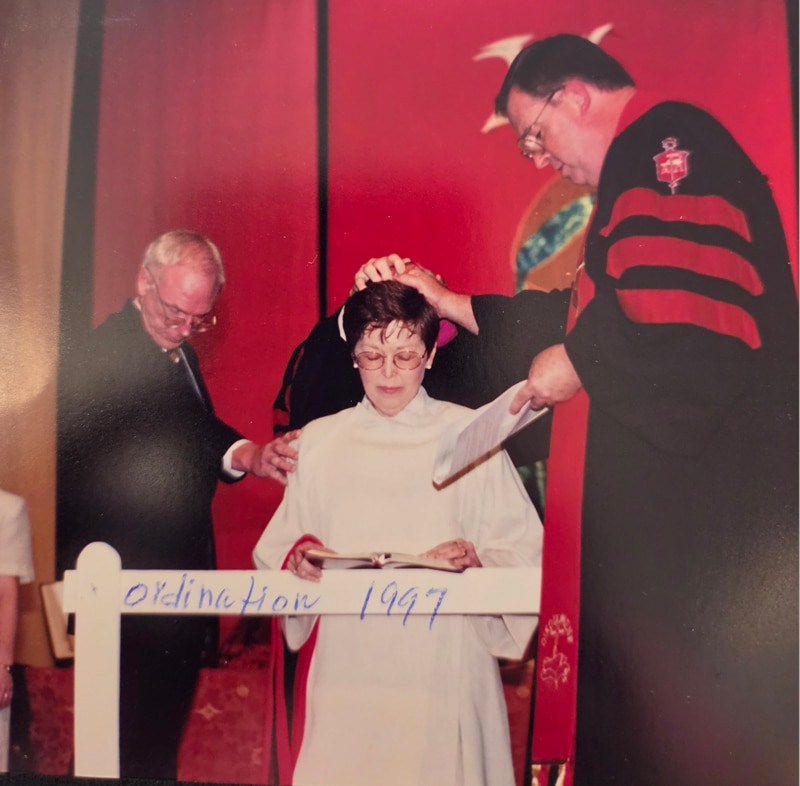
Bishop Bishop Lindsey Davis ordains Rev. Sharon Rubey (kneeling) as a deacon in 1997 after the 1996 General Conference vote creating the Order of Deacons. Photo courtesy of Rev. Sharon Rubey
Related Posts

The proposal to unify four general agencies of The United Methodist Church — Discipleship Ministries, Global Ministries (GBGM), Higher Education and Ministry (GBHEM), and United Methodist Communications (UMCom) — to create a new connectional ministries agency has passed its next significant milestone.

I had one of the most beautiful experiences at an Albergue. On El Camino de Santiago there are many opportunities to stop. Albergues are inns, places where people can stop for the night and rest. Some albergues offer different amenities during the day. Some serve as cafes, places where you can have a bite to eat, use the restroom, and refill your water bottle. Most of them would charge a euro to use the restroom. Some would not allow you to use the facilities unless you were a customer.

Facing ongoing global instability, the boards of Higher Education and Ministry and Global Ministries invest in strengthening mission and ministry, prepare for organizational change, and affirm a vision of hope.