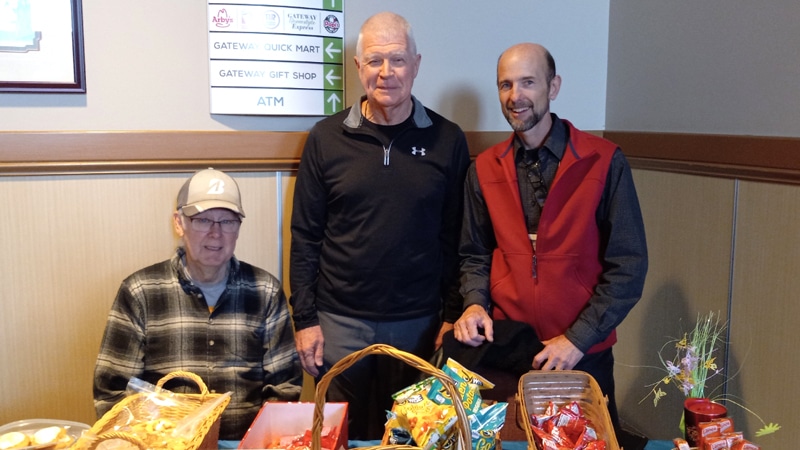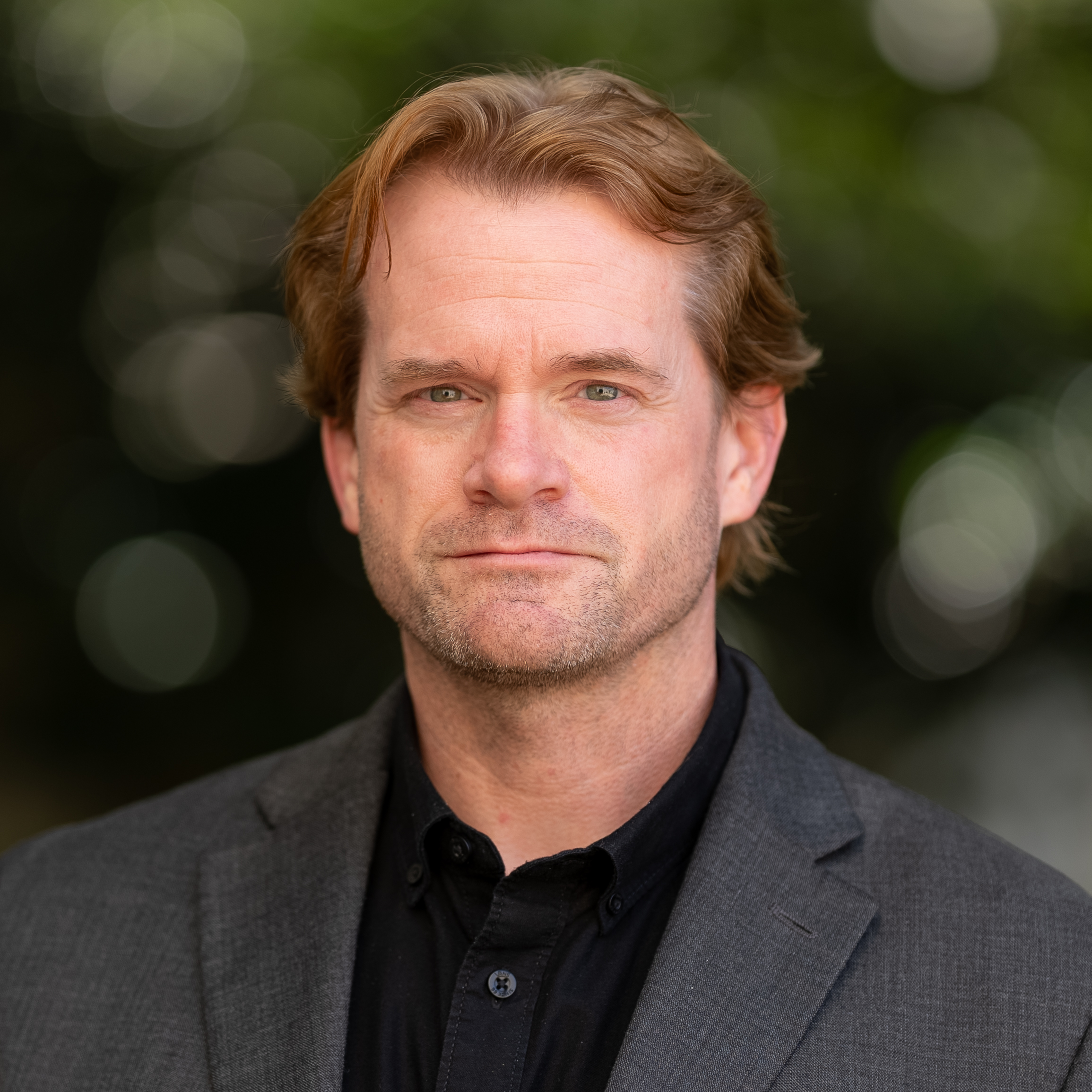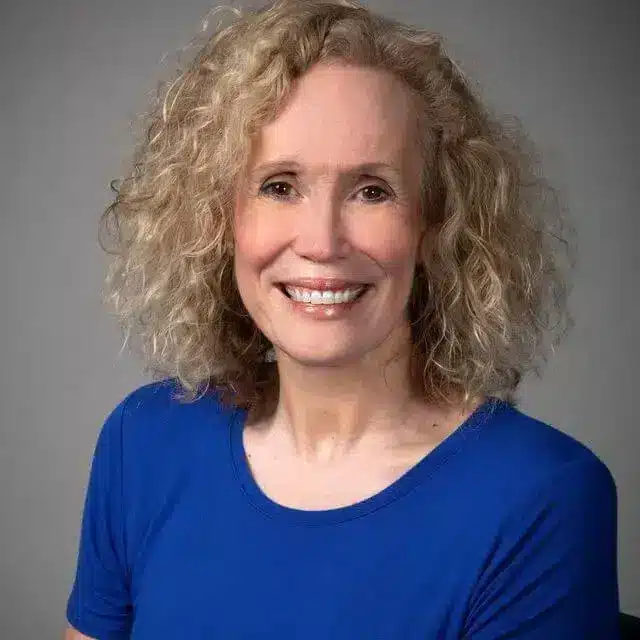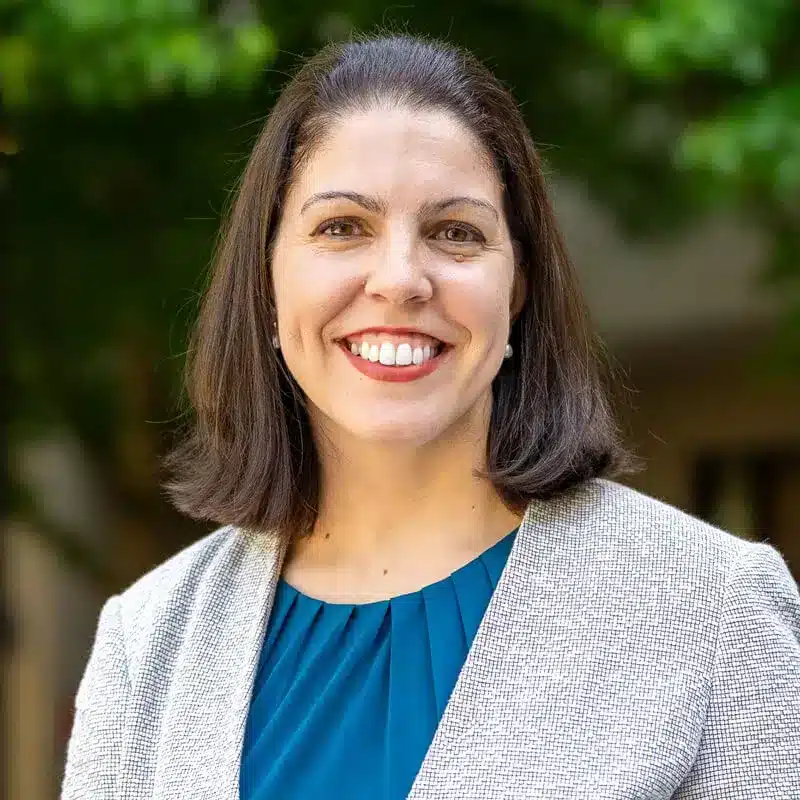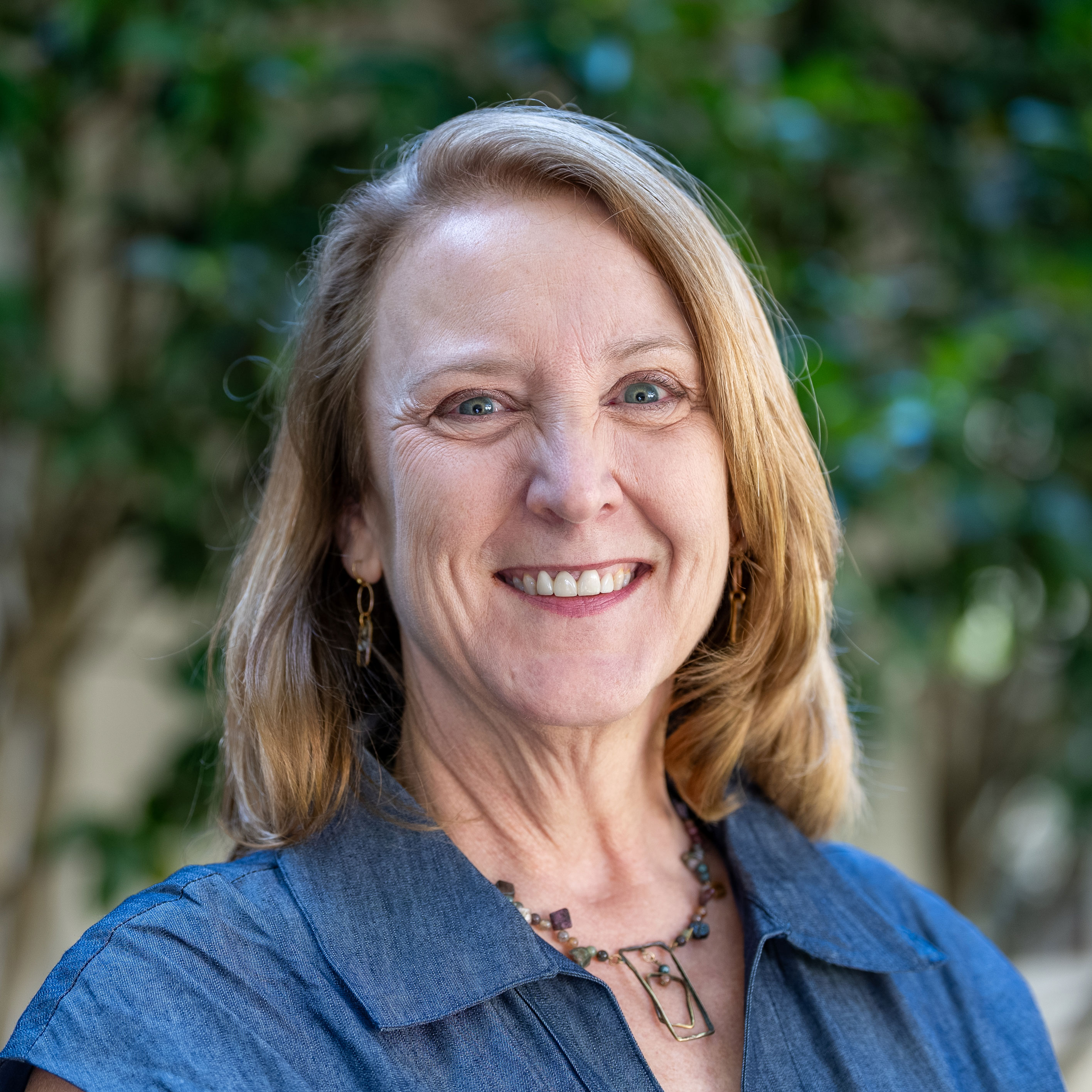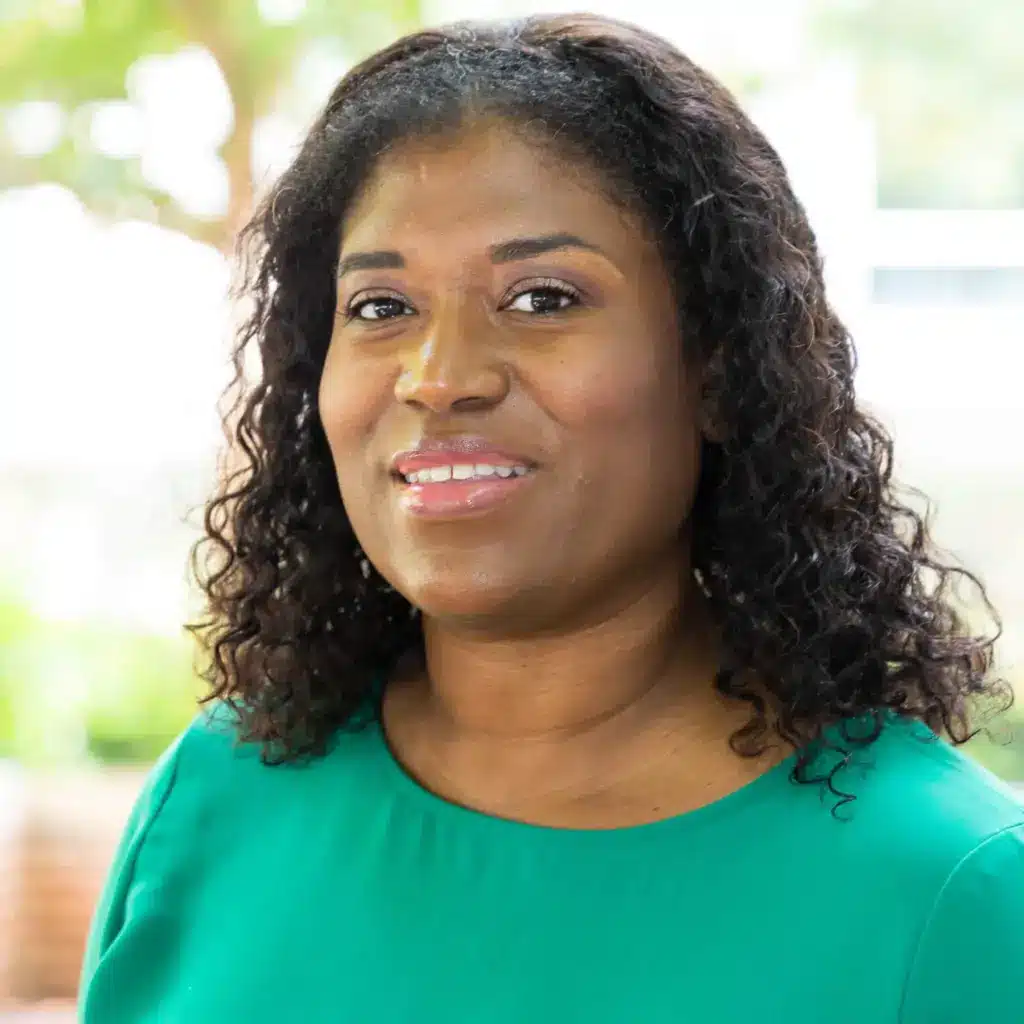

Sometimes, the road to Damascus passes through Breezewood, Pennsylvania. There at the intersection of Interstates 70 and 76, the Rev. Bruce Maxwell, a United Methodist deacon who serves as an endorsed chaplain at the travel plaza, cares for truckers, travelers, or anyone passing through.
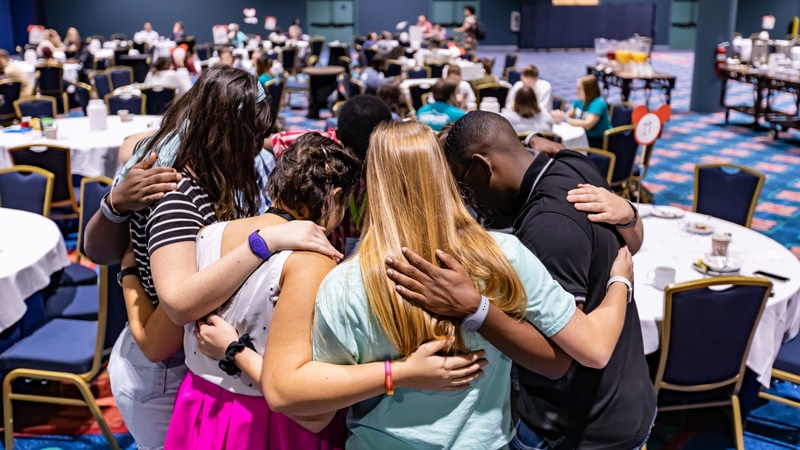
The EXPLORATION discernment event is unlike any other event with its goal of helping people discern and not pushing them into ordained ministry or into a particular form of Christian service. EXPLORATION helps participants discern and be open to what God may be asking of them and how they are called to use their gifts and graces to make disciples of Jesus Christ for the transformation of the world.

"What inspired me to become a deacon is to be able to share the love of God with individuals who may not ever enter the church," says the Rev. Jacob Penvose, a deacon in full connection from the Western Pennsylvania Annual Conference.
To commemorate this National Hispanic Heritage Month, I share with you parts of a poem by Julia de Burgos. She was a Puerto Rican poet, lauded as one of the most important poets of her time. The poem is an ode to setting our own path, even if this means breaking with old patterns and expectations. Following this vocation is a way to find peace in life.

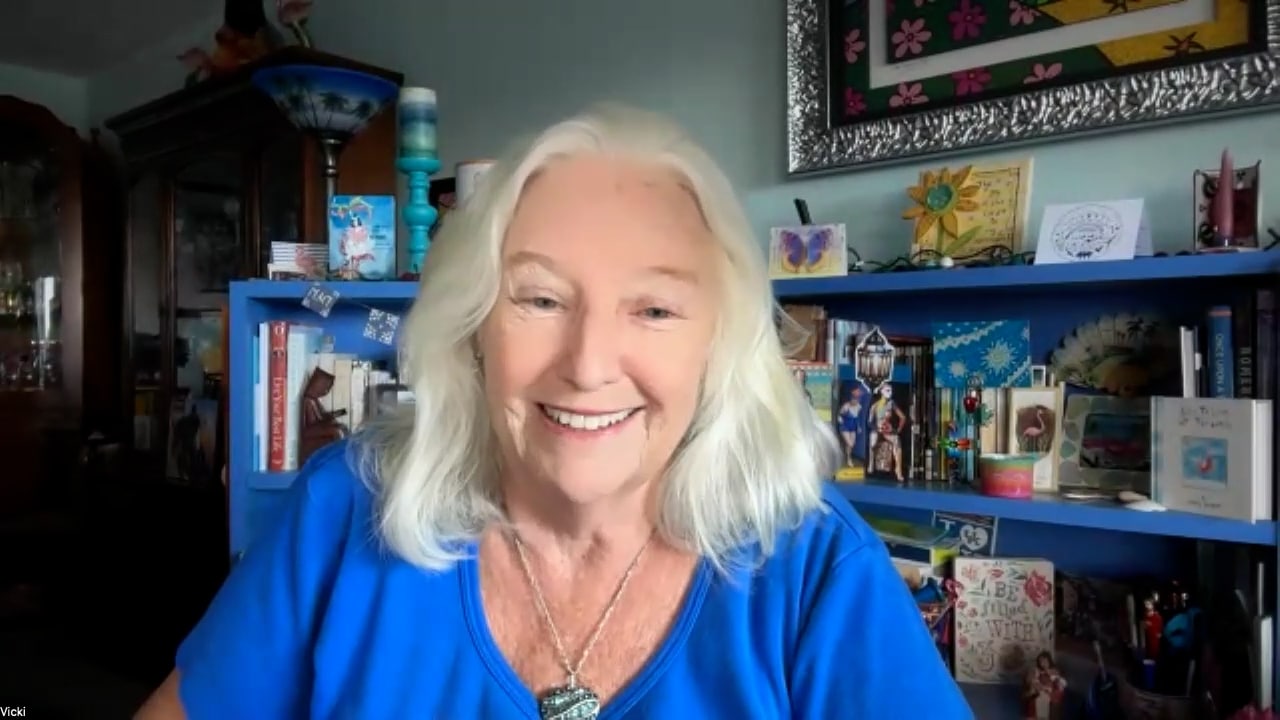
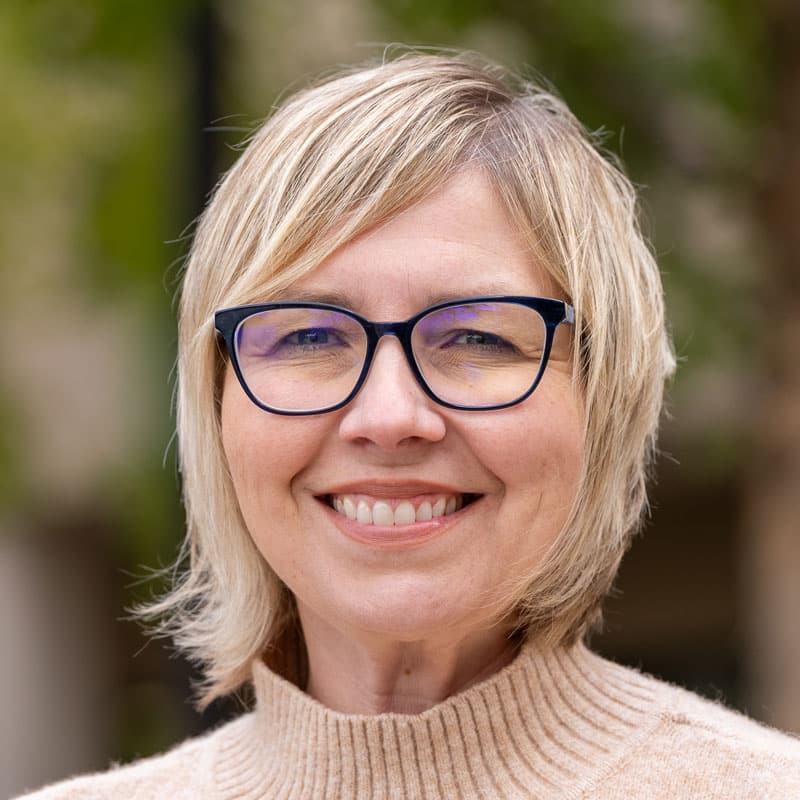
Rev. Vicki Walker traces her call to ministry to a single, startling moment that would shape the rest of her life. “It was 1980. I was 19 years old,” Walker said. During a quiet retreat, she sat alone in a chapel when she heard a voice she could not ignore. “I sense, I hear this voice that says, ‘I want you to go to seminary, get a master’s in Christian education, and work with youth.’”
Adopting mannerisms, values, and practices is a form of incarnation. Incarnation is being in someone else’s flesh. In the Christian tradition, when we speak of the Incarnation, we speak of the mystery of God becoming like one of us.
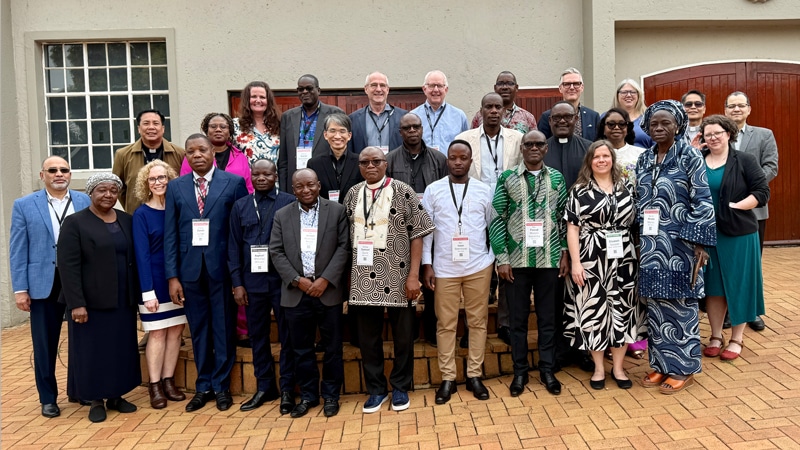
The Central Conference Theological Education Fund (CCTEF) awarded $992,594 in grants to support theological education across The United Methodist Church. During its spring 2026 meeting in Johannesburg, South Africa, commissioners reviewed $3.9 million in funding requests and made awards from a total allocation of $1.03 million. The final grant list was released in August.

Kathleen Norris writes about her students’ reflections on silence. Silence is sometimes scary. To hold silence is to let go of control. Sometimes we do not know what will follow after silence
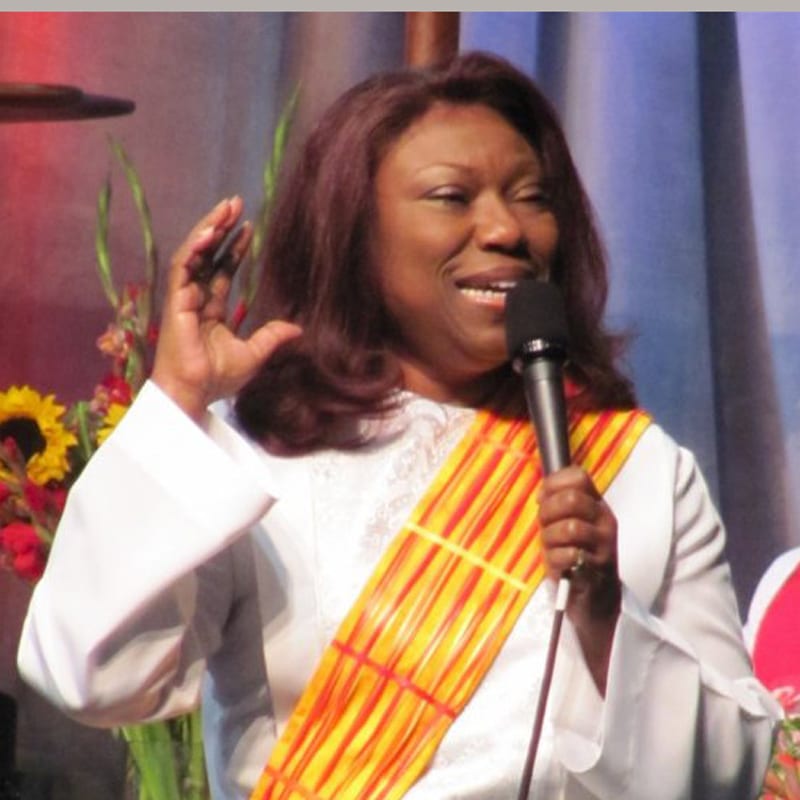
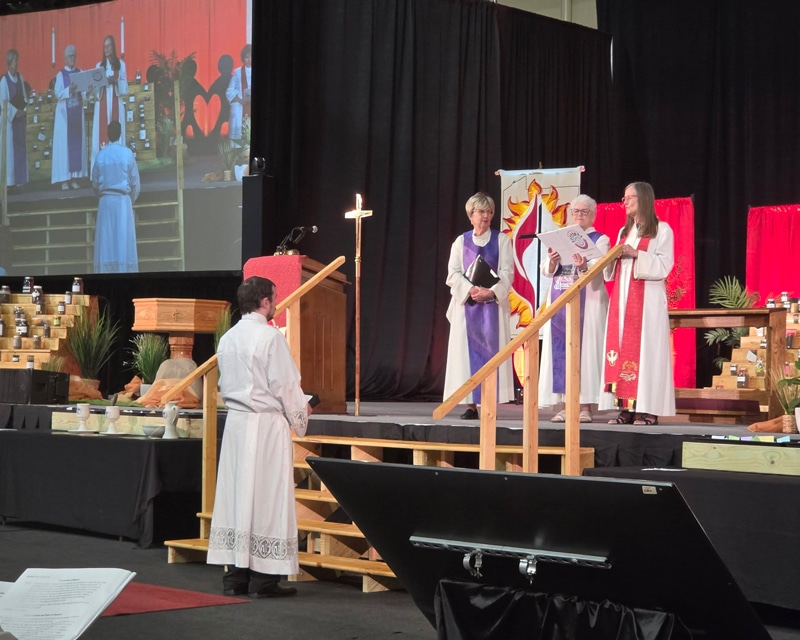
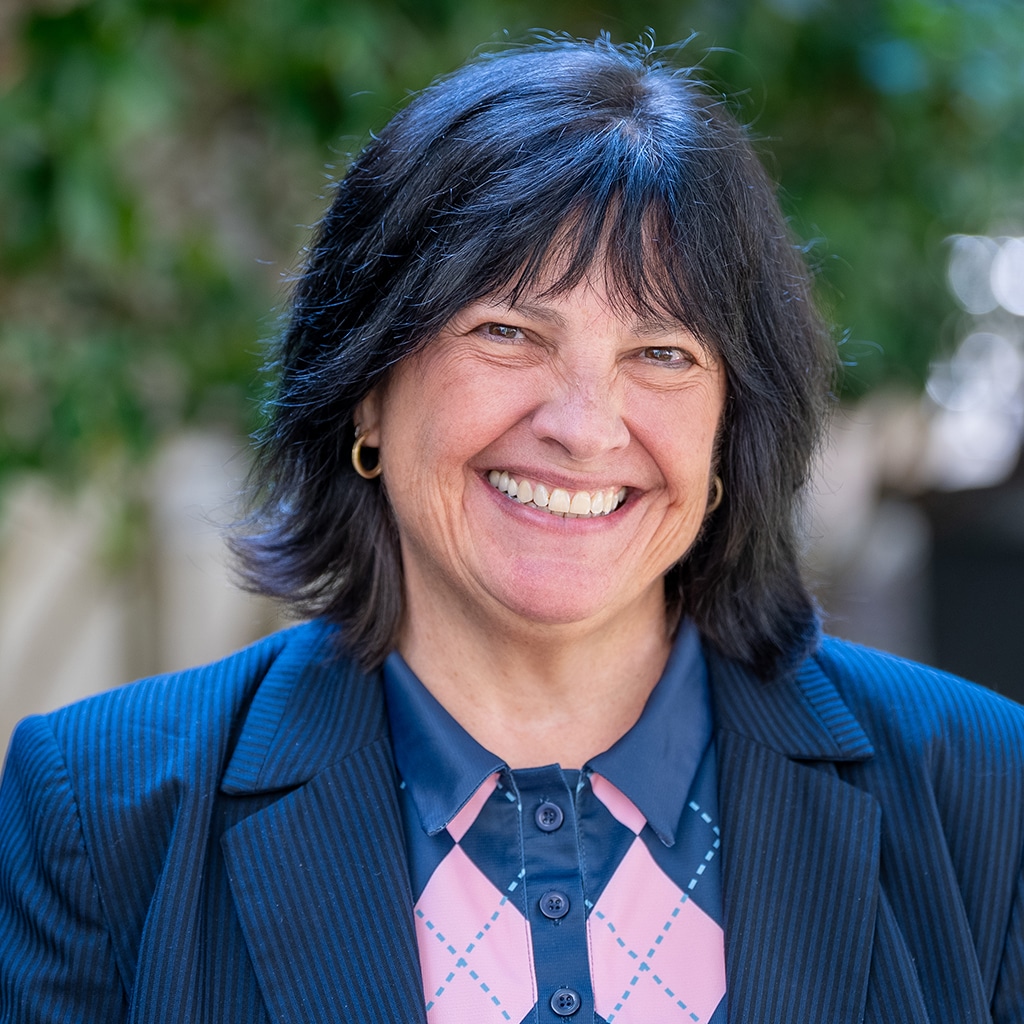
The Rev. Dr. Cynthia Wilson remembers the moment she recognized her call — even as she tried to resist it. Ordained in the first class of the Order of Deacons in The United Methodist Church, Wilson reflects on a ministry shaped by faith, music, and a deep commitment to service that has carried her across the globe.
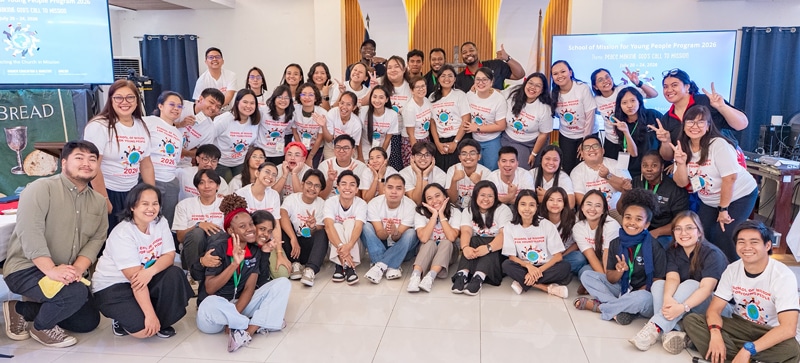
The School of Mission for Young People (SMYP) brought together more than 30 leaders in the UMC to engage in conversations and experiences around mission in Asia.
NewsPlan Left2026-07-14T14:43:01-05:00