GBHEM Hosts Landmark Gathering to Equip Deacons for New Sacramental Responsibility
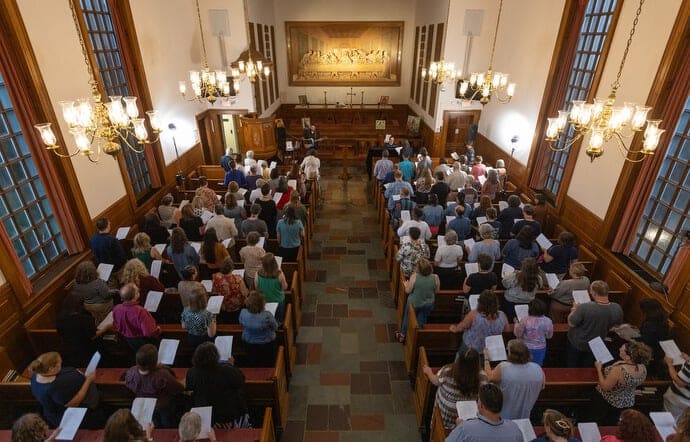
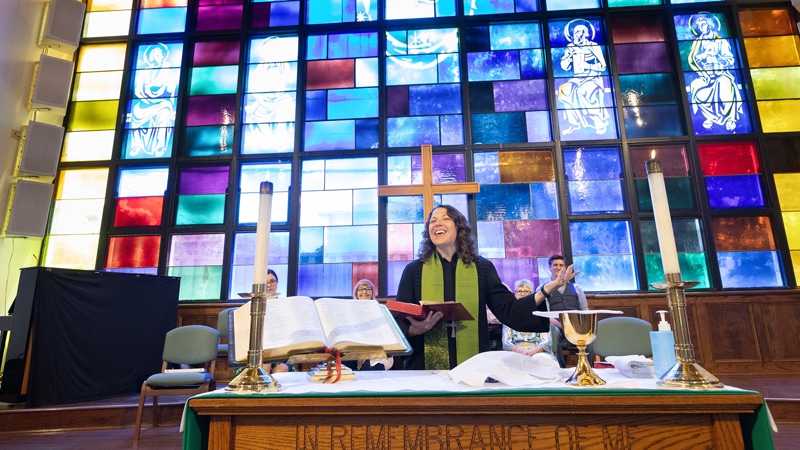
Participants in the 2025 United Methodist Church Deacons Gathering celebrate opening worship at the Upper Room Chapel in Nashville, Tennessee. Photo by Mike DuBose, UM News.
The General Board of Higher Education and Ministry (GBHEM) hosted the 2025 United Methodist Church Deacons Gathering, a landmark event convening nearly 150 deacons, provisional deacons and candidates in Nashville, Tennessee, and online. Much discussion focused on the denomination’s recent decision to grant deacons sacramental responsibility. This change, approved by the 2020/24 General Conference, allows deacons to preside at the sacraments of baptism and holy communion when contextually appropriate.
GBHEM is playing a key role in facilitating theological reflection and practical guidance around this shift. The Rev. Meg Lassiat, GBHEM’s executive director of ministry and a deacon herself, underscored the gravity of this new authority. “I believe it is a responsibility,” she said, “and we are stewards of the gift to the church and to the people we serve.”
Through this event, GBHEM reaffirmed its commitment to equipping deacons as vital bridges between the church and the world, and as responsible stewards of sacramental ministry in diverse contexts, from chaplaincy and campus ministry to social justice work.
Read a UMNews story on the gathering, reporter by Heather Hahn.
Related Posts

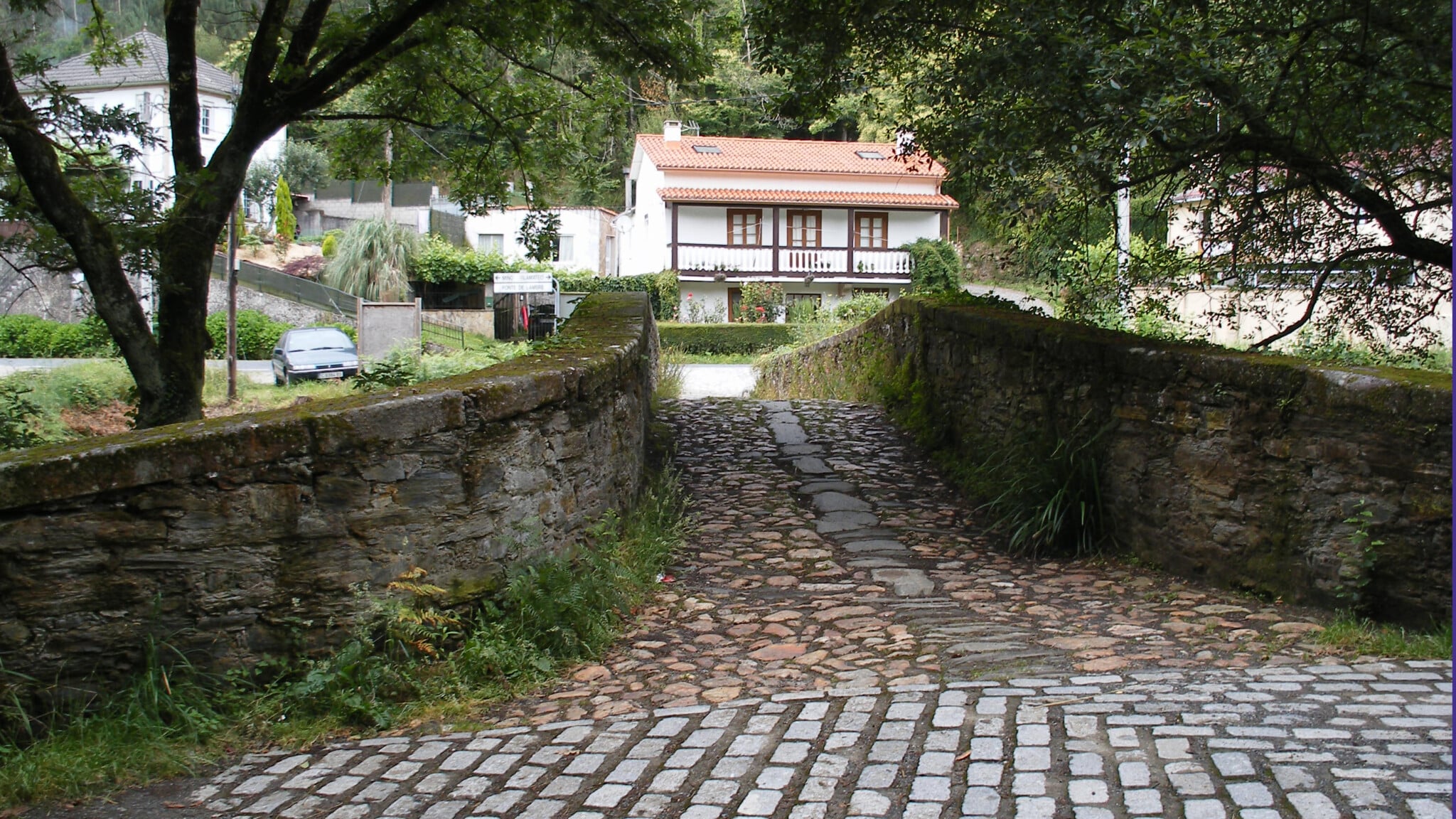
I had one of the most beautiful experiences at an Albergue. On El Camino de Santiago there are many opportunities to stop. Albergues are inns, places where people can stop for the night and rest. Some albergues offer different amenities during the day. Some serve as cafes, places where you can have a bite to eat, use the restroom, and refill your water bottle. Most of them would charge a euro to use the restroom. Some would not allow you to use the facilities unless you were a customer.

Facing ongoing global instability, the boards of Higher Education and Ministry and Global Ministries invest in strengthening mission and ministry, prepare for organizational change, and affirm a vision of hope.
Methodism has a long history with the concept of perfection. In 18th-century England, perfection or perfectionism was understood the same way it is today. Perfection meant something without error or blemish. John and Charles Wesley, and the early leaders of the Methodist movement, understood perfection differently. In their practice, perfection was related to the Greek term teleio, which conveys maturity, wholeness, and completion.