Grants to 10 U.S. Conferences Encourage New Leadership and Church Growth
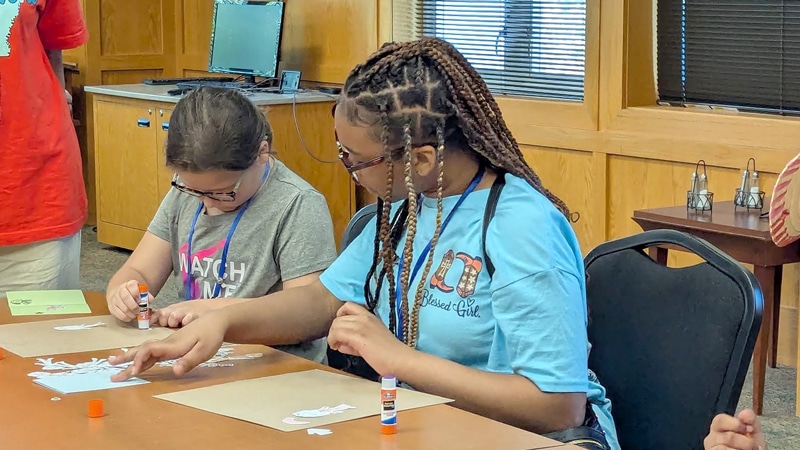
Event participants engage in small groups at the Arkansas Conference’s Mission U, held at Hendrix College in 2025. The Black Church Initiative sponsored four youth to attend the event. Photo: Sandra Parham Turner
Racial/Ethnic and Multiethnic Ministries grants support programs that foster leadership development and church growth in racial/ethnic communities
July 23, 2026 | Global Ministries and Higher Education and Ministries
ATLANTA – The 2026 Racial/Ethnic Local Church (RELC) and Multiethnic Ministries grant awards highlight the impact of Multiethnic Ministries, a collaborative initiative of Global Ministries and Higher Education and Ministry (HEM), in developing leaders and strengthening racial/ethnic congregations across The United Methodist Church. This year, 10 annual conferences received grants ranging from $10,000 to $20,000 to support leadership development, congregational vitality, and community engagement. A significant change for 2026 places administration of both grant programs at the annual conference level, allowing conferences to tailor programming to local cultural contexts and ministry needs.
The grants represent a strategic investment in leadership formation across diverse racial and ethnic communities. Funded initiatives focus on equipping clergy and lay leaders with the skills, relationships, and spiritual grounding needed for effective ministry. Projects include racial/ethnic leadership training in Eastern Pennsylvania, mentoring future leaders through Arkansas's Black Church Initiative, development of ethnic spiritual leaders in North Alabama, and leadership retreats for laity of color in the Mountain Sky Conference. Other grants support youth and young adult leadership development, cross-cultural ministry training, congregational revitalization, and the cultivation of emerging leaders from diverse backgrounds.
These efforts align with HEM's mission to identify, prepare, and support leaders for a changing church. By investing in leadership pipelines, fostering intercultural competence, and strengthening connections among clergy and laity, the grants help build sustainable ministries that reflect and serve their communities. They also create opportunities for younger generations to discover their gifts for ministry and engage more deeply in the life of the church.
Related Posts

As of late September 2026, This Moment Matters has disbursed $38.6 million across 681 grants in the areas of agriculture and food security, education, health, migration, and peace.

A diverse group of church leaders will help guide worship and reflection at EXPLORATION 2026, Nov. 6-8 in Orlando, Florida. Participants will hear from the Rev. Lisa Yebuah, the Rev. Dr. Ashlee Alley Crawford, Bishop Carlo A. Rapanut, and the Rev. Albarka Abbo Wakili, whose ministries span church planting, discipleship, episcopal leadership, and global mission.
When I talk to young people about peacemaking, I hear their cynicism. They’ve told me, “Why bother?” They seem to think no one is trying.