Reflections for Lent 2026: Driving Safely into the Future
A Lenten Reflection Series

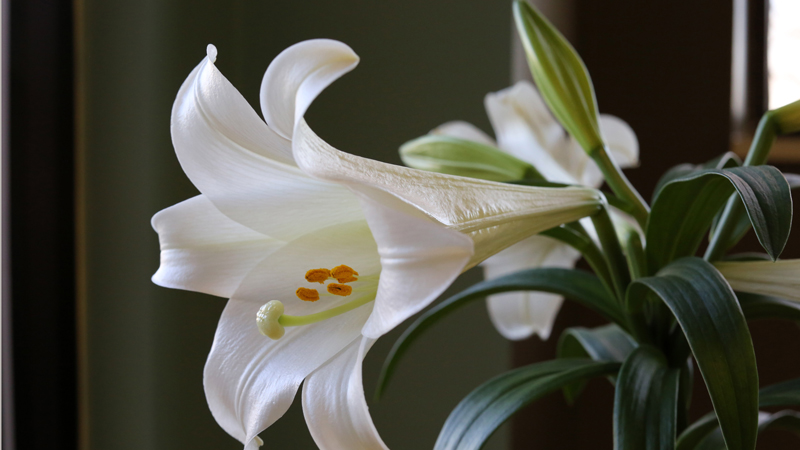
“Not too long ago I was driving in silence and pondering the tension between holding on to tradition and moving forward; resistance and innovation; letting go of the past and releasing into the Spirit-driven unknown. As I glanced into my rearview mirror and fixed my eyes again on the windshield, those ordinary objects and rote actions took on new meaning.” (Photo by Jan Kopriva)
By Rev. Sharon Wright, Emory & Henry University
I spend a good deal of time in the car. Perhaps you do too. Driving to work, taking my father to doctor appointments or my kids to an activity (although that has lessened considerably since I have a teenage driver in the house!). And, of course, there’s the traveling associated with taking students on trips or to campus ministry, district, and conference meetings. The list of occasions that finds me behind the wheel of a car is long.
I usually fill my car time – when I’m driving alone – with a favorite podcast or playlist. Who doesn’t, right? On occasion, however, especially if I haven’t had adequate and much-needed devotional quiet time, I will turn everything off and drive in silence.
Not too long ago I was driving in silence and pondering the tension between holding on to tradition and moving forward; resistance and innovation; letting go of the past and releasing into the Spirit-driven unknown.
As I glanced into my rearview mirror and fixed my eyes again on the windshield, those ordinary objects and rote actions took on new meaning.
The rearview mirror is important because it tells us where we have been. The windshield is essential because it shows us what’s ahead and where we’re going.
There is a balance when actually driving a car, right? Keep checking the rearview mirror from time to time, but for the most part we need to stay focused on what is in front of us.
The opening verses of Isaiah 42 call us to walk in step with God’s Spirit; be a light to the nations; seek justice, freedom, and hope for those who are imprisoned – whether that is literal or figurative.
Surely, we can glance in the rearview mirror and catch glimpses of Isaiah 42 work in our personal and professional spheres of influence. Celebrate those occasions!
But can we set our focus on the windshield – the landscape around and ahead of us – which is ripe and ready for us to act in Spirit-filled ways that bring light, justice, freedom, and hope to those who need it the most?
The season of Lent is a wonderful time to be still and silent long enough to see who and what God wants us to see when we look out our windshield.
Driving safely into the future – the great unknown, unchartered territory – requires looking ahead more than looking behind us.
We do not travel alone. Thanks be to God.
Related Posts

Easter! In the Christian tradition, the season of Easter (or Eastertide) begins on Easter Sunday and runs for 50 days ending on the Sunday after Pentecost. For me, this is good news. For the 40 days of Lent, we have been in self-examination, often finding ways in which we fall short. Eastertide is also filled with self-reflection, but as a celebration of who we have become. Eastertide is a celebration of transformation.

Roland Fernandes addresses the Global Ministries and Higher Education and Ministry boards of directors in their spring meeting held in Nairobi, Kenya.

LITTLE ROCK, Ark. — For Philander Smith University President Dr. Maurice Gipson, support from The United Methodist Church, its General Board of Higher Education and Ministry (GBHEM), and the Black College Fund is essential. “I look at those funds as our version of state support,” Gipson said. “Without the support, there would be critical infrastructure activity we’d be unable to do.”