Kimberly Hall: An Unexpected Journey to Military Chaplaincy
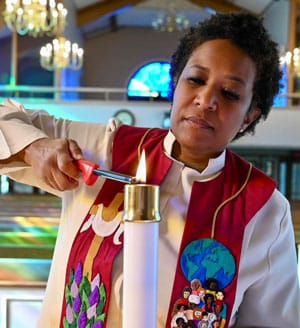
“It’s an honor and a privilege. Being able to proclaim the Gospel and minister to all people in different countries around the world is a blessing.”
— The Rev. Major Kimberly Hall with the U.S. Air Force
“I wanted to be a film writer, but God had other plans,” said the Rev. Major Kimberly Hall with the U.S. Air Force.
Hall, an elder in the Baltimore-Washington Conference, graduated from Bennett College and Howard University. She later earned her MDiv and DMin from Wesley Theological Seminary in Washington, D.C., serving in local churches for a decade. It was a seminary friend, Carl Brown, who first nudged her toward military chaplaincy.
“I received this like you would if someone said ‘you should move to Alaska and start a pie business,’” Hall recalled. But Carl kept reaching out, encouraging her to consider chaplaincy. “Never say never,” Hall says she learned in ministry, and after continued nudging, she started to think deeply about the call.
In July 2011, at a Korean BBQ restaurant, Hall met the Rev. Kim, a military chaplain recruiter. “You are such a prize,” he told her, handing her a form to apply for the Army. Despite initially discarding the idea, Hall’s thoughts kept returning to it. “I don’t believe in coincidences,” she said. Two months later, Hall met an African American, former military chaplain who echoed the same sentiment, urging her to consider the call.
After praying for guidance, Hall received three signs from God and the blessing of her parents. She then began her journey into military chaplaincy, first serving in Germany, where she “cut her teeth” ministering to soldiers from various countries.
Hall has served as a chaplain for 13 years — six and half years in the Army and six years in the Air Force after transferring in 2019. She is one of 154 United Methodist-endorsed chaplains serve in the military with 60 in the Army, 49 in the Air Force, and 45 in the Navy, including the Marines and Coast Guard.
“It’s an honor and a privilege,” Hall said of her role. “Being able to proclaim the Gospel and minister to all people in different countries around the world is a blessing.”
Being endorsed by the United Methodist Endorsing Agency and Hall’s experience as an elder has been invaluable. “The theological training provides a groundwork,” she said. “I can offer the sacraments and serve in ways that enrich my military chaplaincy.”
As for others considering this path, Hall advises, “Make sure you are called. Don’t do this for the rank; be authentic in your religious training. God will equip you.” Though military chaplaincy is challenging, she encourages anyone with a genuine calling to take the leap.
United Methodist Endorsing Agency
Chaplains, pastoral counselors and other providers of spiritual care are needed in a wide range of settings, and our clergy can be found serving everywhere from military outposts to hospitals, prisons, counseling centers and truck stops. Learn more.
Related Posts

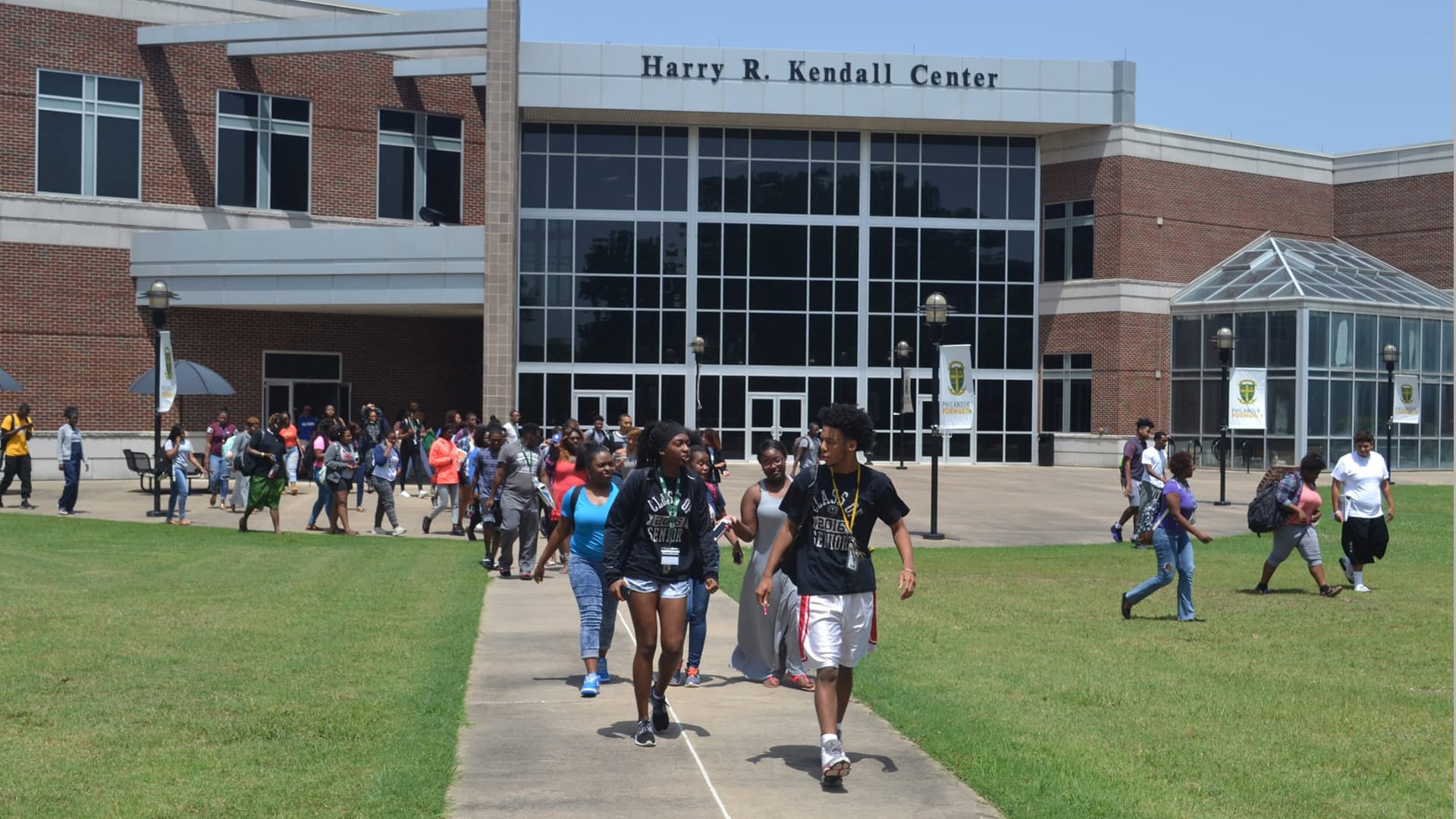
LITTLE ROCK, Ark. — For Philander Smith University President Dr. Maurice Gipson, support from The United Methodist Church, its General Board of Higher Education and Ministry (GBHEM), and the Black College Fund is essential. “I look at those funds as our version of state support,” Gipson said. “Without the support, there would be critical infrastructure activity we’d be unable to do.”

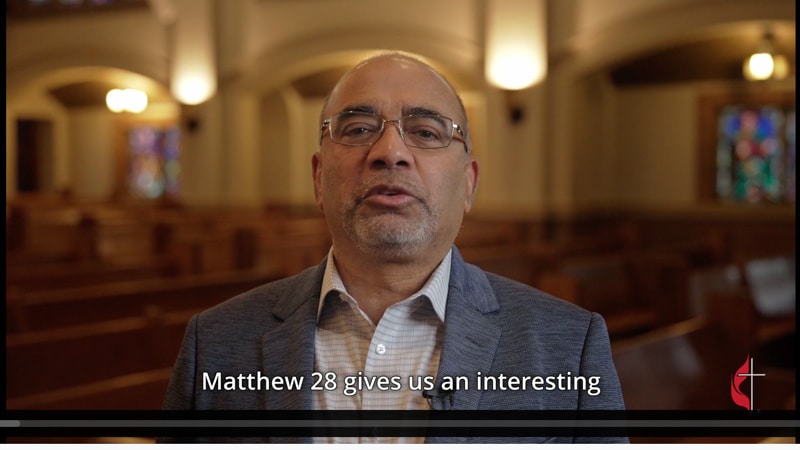
There is no shortage of alarming events in our world today. News of pain and violence perpetrated against the most vulnerable is everywhere. It is easy to become paralyzed by fear. Overwhelmed by the amount of suffering. And in the process, lose sight of caring for our neighbor.
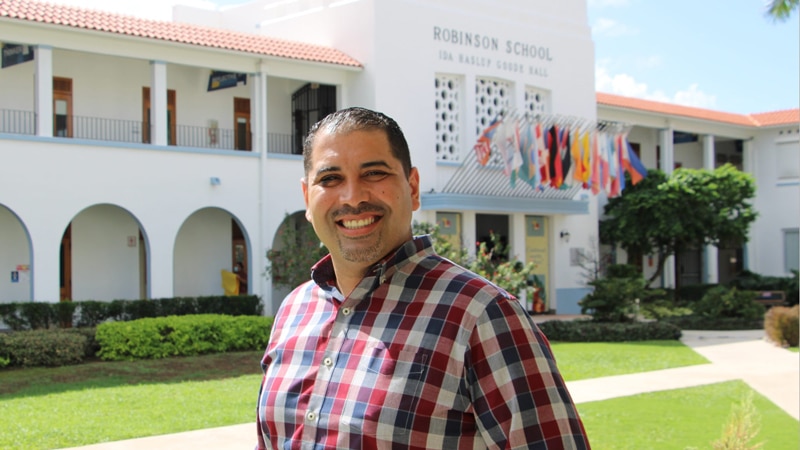
Rev. Justin Colón, chaplain at Robinson School in San Juan, a missionary-founded girls’ school that has grown into an international, English-speaking co-ed prep school, says his work with students is grounded in a steady sense of hope shaped by his faith.