General Secretary Highlights Urgent Call to Peace in Spring Report
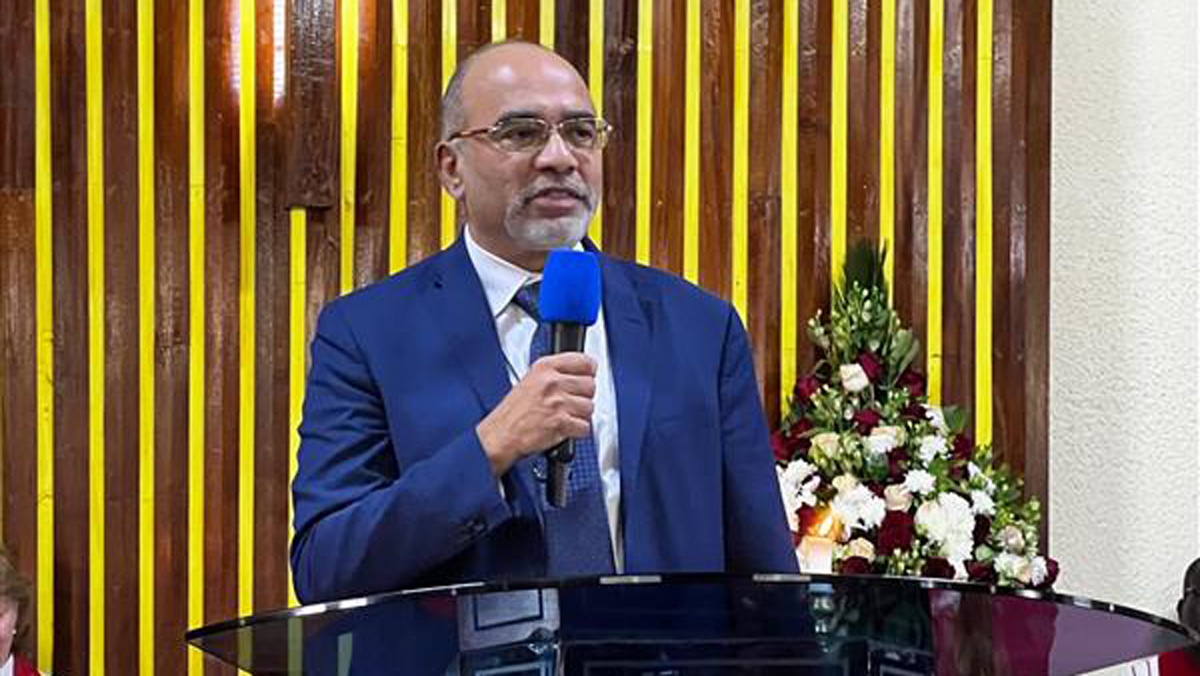
General Secretary Roland Fernandes addresses missionaries during their commissioning service at Lavington United Church in Nairobi, Kenya. Earlier in the day, Fernandes gave his report to the Global Ministries and Higher Education and Ministry boards of directors during the first day of their spring meeting. (Photo by Susan Clark)
Roland Fernandes addresses the Global Ministries and Higher Education and Ministry boards of directors in a meeting held in Nairobi, Kenya.
“Blessed are the peacemakers, for they will be called children of God.”
— Matthew 5:9
April 8, 2026 | Global Ministries and Higher Education and Ministry
NAIROBI — At the April 2026 board of directors meeting in Nairobi, Kenya, General Secretary Roland Fernandes delivered a report emphasizing the urgent need for faithful global engagement in a time of deep global instability. Under the meeting theme of “Blessed are the Peacemakers,” members of the general boards of Global Ministries and Higher Education and Ministry gathered in the East Africa Episcopal Area, a location chosen to honor a renewed relationship and mission partnership.
A Deepened Focus on Peacebuilding
Fernandes began his address to the joint boards by naming the suffering experienced by vulnerable communities worldwide, driven by the escalating prevalence of war, political conflict, and humanitarian crises—from the Middle East to Africa to Eastern Europe. He criticized the United States and other global powers for their increasing reliance on force and their violations of international norms. Fernandes condemned the serious harm and deaths caused by inhumane U.S. immigration and foreign policies, lamenting the disproportionate impact on already vulnerable and marginalized communities, particularly people of color.
Given this global context, “The need for the work we do has never been greater,” Fernandes stated. Through the “This Moment Matters” granting and fundraising initiative, the agencies have distributed $23.8 million in grants in the areas of health, food security, education, migration, and peace as a direct response to budget cuts by the U.S. government, including funding for the United States Agency for International Development (USAID) and its work. Global Ministries is also deepening its focus on peacebuilding in collaboration with long-standing ecumenical partners, such as the World Council of Churches and Church World Service.
Advancing Equity Through Education and Ministry
Higher Education and Ministry has given much focused attention to a reimagined education strategy, Fernandes said. New initiatives will include the launch of the Regional Conference Higher Education Fund, which will provide annual grant funding to episcopal areas outside the U.S., and the Africa Education Fund, aimed at building partnerships with higher education institutions across West Africa. In the U.S., financial support for United Methodist-related Historically Black Colleges and Universities will see a significant increase. He also noted that a comprehensive redesign of scholarship programs is underway to be launched in 2027.
Fernandes highlighted ongoing efforts to improve theological education through revisions to the Course of Study as well as continued work on developing a theology of ordained ministry through the Study of Ministry Commission. And a cause for celebration: a partnership with Methodist Theological School in Ohio (MTSO) to accredit the Clinical Pastoral Education (CPE) Center at Mary Johnston Hospital in the Philippines, the first outside of the U.S.
Strengthening Mission Engagement
Together with Higher Education and Ministry, Global Ministries continues to focus on listening and engaging with partners after consultations held in 2023; staff are in close contact with partners to help develop and follow through with their evolving strategies.
Both agencies value full inclusion of all people, not just in the U.S. but globally, and will continue to focus on diversity, equity, and inclusion through a joint Multiethnic Ministries unit led by Dr. Dana Lyles as executive director.
In Africa, Fernandes mentioned that income generation grants would roll out over the next few months, in partnership with bishops and annual conferences, to develop long-term financial sustainability. And as of this year, the Yambasu Agriculture Initiative (YAI) has completed five years of programming in conferences across the continent. Fernandes indicated it is time to assess the program’s successes, challenges, and new opportunities.
Moving Forward in Hope
Fernandes believes the work of The United Methodist Church is a glimpse of hope in a time clouded with uncertainty and suffering. He ended his report by affirming the work the agencies are doing together and prompting the directors to consider: “How can we be peacemakers in today’s hurting world?”
Related Posts

Roland Fernandes addresses the Global Ministries and Higher Education and Ministry boards of directors in their spring meeting held in Nairobi, Kenya.

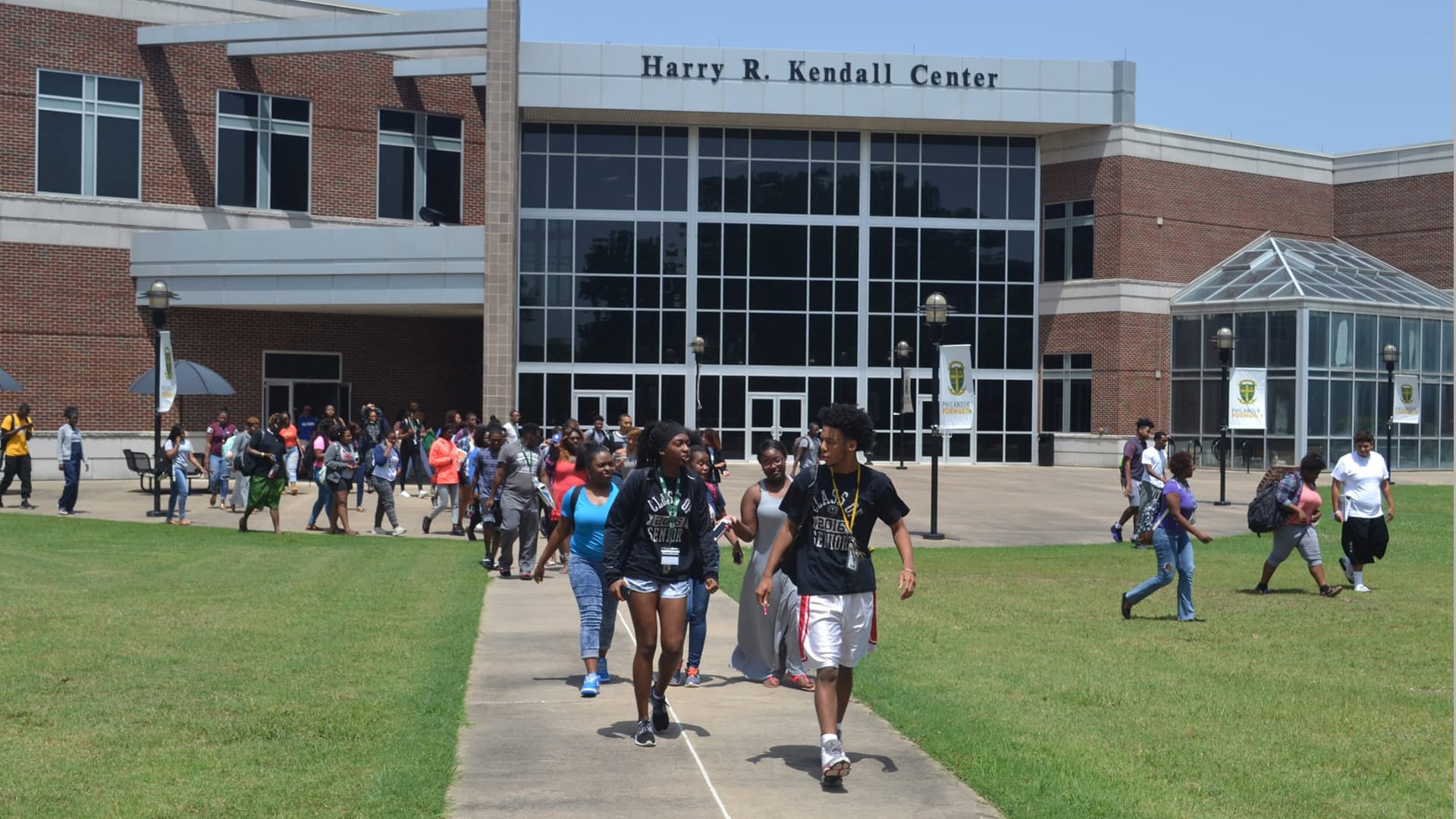
LITTLE ROCK, Ark. — For Philander Smith University President Dr. Maurice Gipson, support from The United Methodist Church, its General Board of Higher Education and Ministry (GBHEM), and the Black College Fund is essential. “I look at those funds as our version of state support,” Gipson said. “Without the support, there would be critical infrastructure activity we’d be unable to do.”

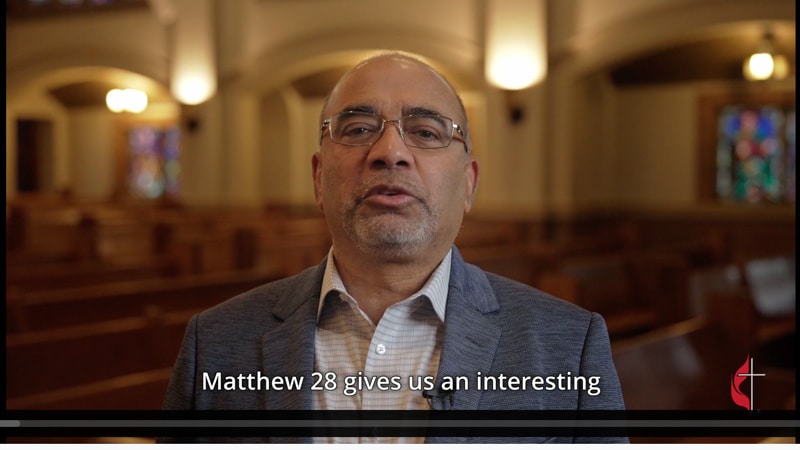
There is no shortage of alarming events in our world today. News of pain and violence perpetrated against the most vulnerable is everywhere. It is easy to become paralyzed by fear. Overwhelmed by the amount of suffering. And in the process, lose sight of caring for our neighbor.