Serving United Methodist Students
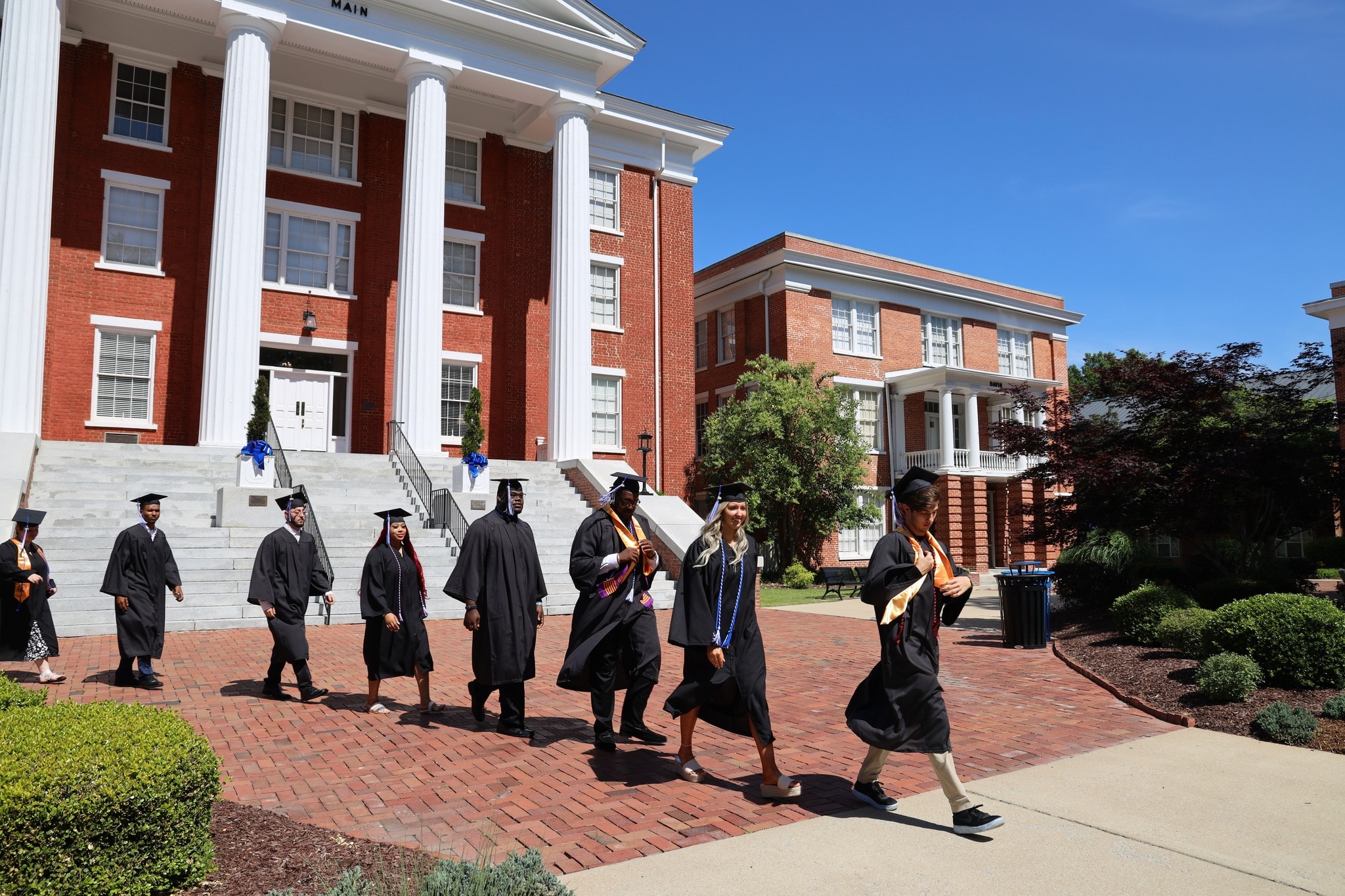
GBHEM Scholarships offers financial aid to United Methodist students pursuing undergraduate and graduate degrees. Every year, an average of $4 million is awarded to help students in the United States and abroad pursue their dreams through higher education. With this financial aid, GBHEM is opening pathways for students of all backgrounds to earn their degrees and serve as the next generation of leaders for the church and the world.
Our Theological Commitment to Education Access
The General Boards of Higher Education and Ministry and Global Ministries share a theological commitment to working to provide access to education. This commitment includes providing scholarships and other assistance to persons from disadvantaged groups that cannot access education and opportunities on the same basis as others. This commitment is grounded in our Methodist theological heritage and our beliefs about God’s call to work for mission and justice in the world.
As United Methodists, we believe that all people are created in the image of God and of sacred worth. We further believe that all people have a right to education. We recognize, however, that not all people have access to education. As United Methodists, our faith compels us to take concrete actions to oppose injustices that disregard the inherent worth of all people. This includes tangible steps to promote access to education through scholarships.

Stay Informed
- The 2026 scholarship application portals have closed.
- If you have additional questions, contact the Scholarship Office at umscholar@gbhem.org.
Join the Interest List and we will email you when the next Scholarship Application Window opens.