University Senate Approves Distance Learning as Virus-Prevention Measure
Update April 20, 2020: The United Methodist University Senate executive committee has voted to allow official United Methodist seminaries and non-United Methodist seminaries to offer coursework via distance learning through the end of the 2020 summer session without jeopardizing their status with the University Senate. The extension of this authorization beyond the end of the summer session would require further action by the University Senate. All seminaries have until June 1, 2020 to report summer session courses that will be offered remotely.

Last week, the United Methodist University Senate executive committee met in an emergency session to address the unique strain placed on higher education institutions by the spread of the COVID-19 virus. The committee voted to create official senate support for the nationwide efforts to clear campuses and slow the spread of the virus by limiting in-person interactions.
With that vote, the University Senate approved the following measures for the institutions it serves:
- The senate has temporarily suspended guidelines that require seminaries to teach the majority of their courses in person. Official United Methodist seminaries – and non-United Methodist seminaries approved to train denominational clergy – may offer coursework via distance learning without jeopardizing their status with the University Senate. The previous distance learning restrictions applied only to seminaries. United Methodist-related colleges and universities were never subject to this rule.
- Distance learning is permissible for all seminary coursework through the end of the spring term. The extension of this authorization beyond the end of the spring term would require further action by the University Senate.
- In order to maintain their good standing, seminaries must report all affected courses to the University Senate and specify the manner in which the courses are being delivered.
- The executive committee of the University Senate also agreed to postpone site visits for all United Methodist-related schools, colleges, universities and seminaries for the remainder of the spring semester. Leaders of the University Senate will work with affected institutions to identify new dates for these institutional visits.
“This is an extraordinary time in the life of our nation and the education institutions that serve so many students,” said Rock Jones, president of the University Senate and Ohio Wesleyan University. “We believe it is our responsibility to support our institutions as they do their part to help slow the spread of COVID-19.”
The temporary changes to University Senate guidelines will go into effect immediately and all seminaries have until April 30, 2020 to report on courses that are now being offered remotely.
“The purpose of the University Senate is to support United Methodist educational institutions in providing the best possible experience for students,” said Mark Hanshaw, executive secretary of the University Senate and associate general secretary for the General Board of Higher Education and Ministry (GBHEM). “Given current circumstances, we are chiefly concerned about the safety and security of the students, faculty and staff of these institutions. Allowing greater capacity for distance learning is an important step in responding to current health challenges.”
In the months ahead, the University Senate will maintain an open dialogue with higher education leaders at all United Methodist-related institutions as they continue to adapt to the changing health landscape. Any administrators with additional questions or concerns should reach out to the Division of Higher Education at GBHEM with questions.
About the University Senate: The University Senate is an elected body of peer professionals in higher education created by the General Conference, designed to work with United Methodist educational institutions. Senators provide consultative support to member schools, colleges, universities and theological institutions, and conduct periodic peer reviews to determine which of these meet the criteria for listing as institutions affiliated with The United Methodist Church.
About GBHEM: The General Board of Higher Education and Ministry embraces the ministry of learning and leadership formation in The United Methodist Church and Wesleyan tradition; serving Christians around the world who are shaped by a process of intellectual engagement, spiritual and character formation, and leadership development. We cultivate a dynamic culture of call and vocational discernment that encourages lay and clergy leaders to discover, claim and flourish in God’s ministry and mission for the Church, the academy and the world. Follow us on Twitter and Facebook: @GBHEM.
Related Posts

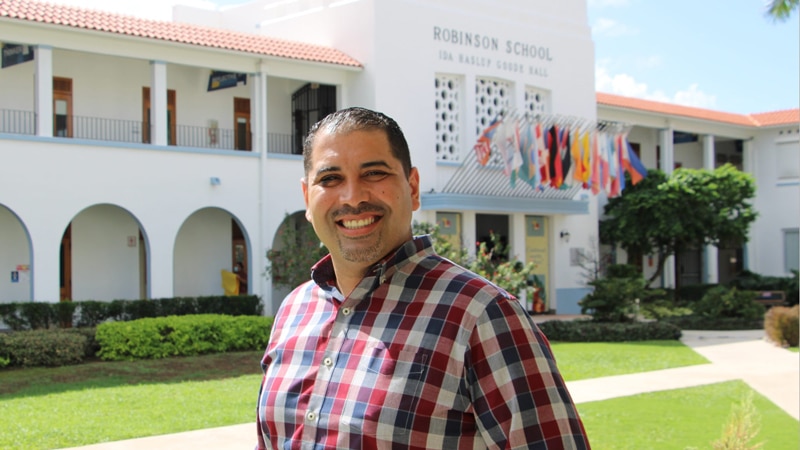
Rev. Justin Colón, chaplain at Robinson School in San Juan, a missionary-founded girls’ school that has grown into an international, English-speaking co-ed prep school, says his work with students is grounded in a steady sense of hope shaped by his faith.
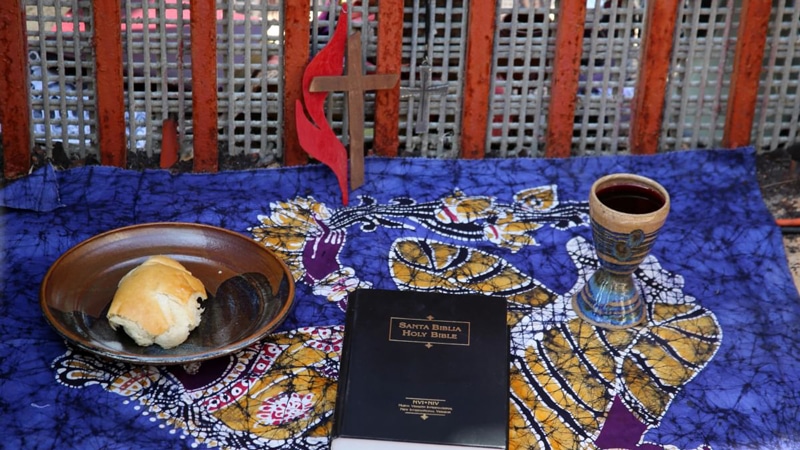
As I read the events of the last supper, I can’t help but notice the reaction of the disciples to the news that one of them would betray Jesus. They didn’t all look to Judas, pointing a finger at the obvious culprit. One by one, each questioned: Is it I, Lord? Could it be me?

NASHVILLE, Tenn. — “Meharry [Medical College] was birthed, reared in and now sustained by our faith. Methodists came together to create something special,” said Dr. James Hildreth, president and CEO of Meharry. “It allows our students to worship God through service.”