United Methodist Support Keeps Rust College a Beacon of Hope
11 schools, 1 calling: How the Black College Fund sustains our HBCUs
By Wendy R. Cromwell
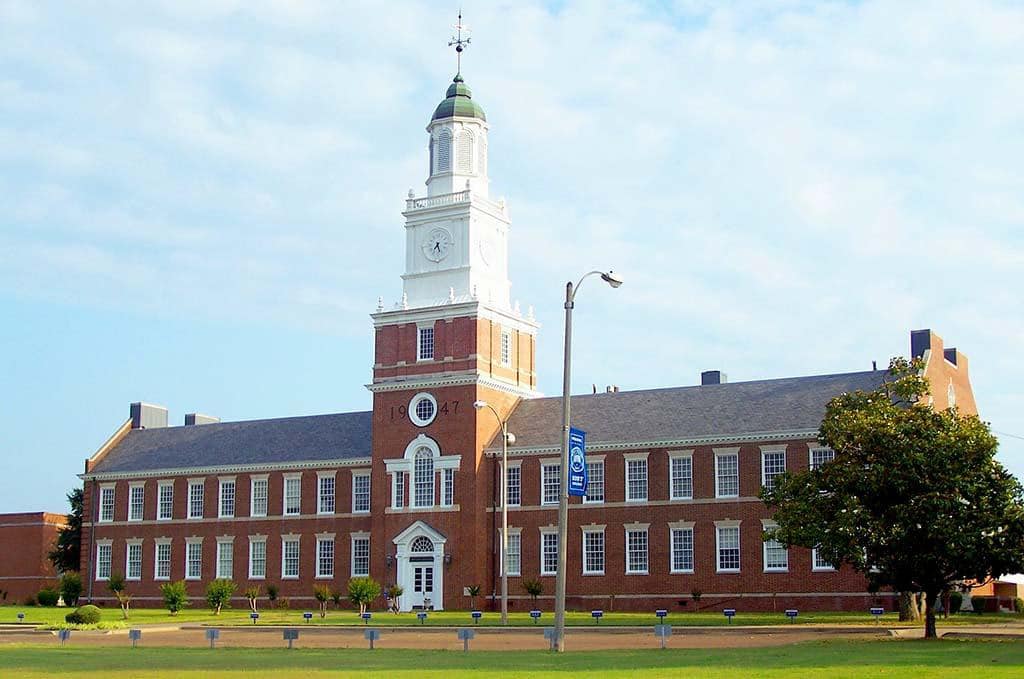
HOLLY SPRINGS, Miss. — For Dr. Johnny M. Moore, president of Rust College, support from The United Methodist Church and its Black College Fund (BCF) is more than financial, it’s transformational. “I look at those funds as very beneficial,” Moore said. “It changes the trajectory of lives forever.”
Founded in 1866 by the Methodist Episcopal Church, Rust College is the oldest Historically Black College and University (HBCU) in Mississippi and among the oldest in the nation. Its mission began as a place of hope for freed people after the Civil War.
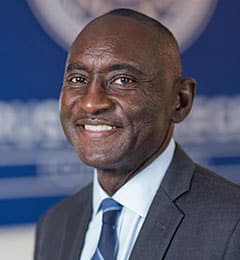
President Dr. Johnny M. Moore
“Rust was a place of hope 160 years ago,” Moore said. “Today, it’s still a place of hope.”
The Black College Fund, administered through the General Board of Higher Education and Ministry, provides annual support to 11 United Methodist-related HBCUs, helping Rust create opportunities for first-generation students. Moore says BCF funds help cover costs for graduate school prep, such as GRE and MCAT fees, and support internships and apprenticeships that expose students to careers they never imagined.
“It’s not just about money,” Moore said. “It’s about creating opportunities.”
Rust College uses the BCF 5% innovation funds act as seed money for projects like the law and medical school prep programs. Technology upgrades funded through BCF also help Rust engage students and improve retention.
For Moore, the impact of The United Methodist Church goes beyond dollars. It’s about connectionalism — prayers, partnerships, and shared mission. “The key to our success is partnerships,” he said. “It’s not about Dr. Moore. It’s about the success of our students. And it takes all of us to make that happen.”
Moore’s personal commitment mirrors Rust’s mission. “I’m at a point in my career where I’m not trying to build my résumé,” he said. “I’m trying to impact the lives of real people, people like me, first-generation, low-income students.”
With enrollment between 500 and 600 students, Moore’s vision for the next five years includes making Rust “student-ready” with flexible scheduling and micro-credentials, excelling in STEM and health professions, and deepening community engagement. His dream project: a modern student center to complement Rust’s historic legacy and attract new students.
He sums up the significance simply: “Imagine Holly Springs without Rust College — it’s unimaginable.”
About the Black College Fund
The United Methodist Church expands access to quality education through the General Board of Higher Education and Ministry and the Black College Fund, supporting 11 affiliated Historically Black Colleges and Universities. As the largest church-based supporter of HBCUs, the fund provides essential resources for capital improvements, innovative programs, operating expenses, and initiatives that strengthen student success and institutional vitality.
Related Posts

Easter! In the Christian tradition, the season of Easter (or Eastertide) begins on Easter Sunday and runs for 50 days ending on the Sunday after Pentecost. For me, this is good news. For the 40 days of Lent, we have been in self-examination, often finding ways in which we fall short. Eastertide is also filled with self-reflection, but as a celebration of who we have become. Eastertide is a celebration of transformation.

Roland Fernandes addresses the Global Ministries and Higher Education and Ministry boards of directors in their spring meeting held in Nairobi, Kenya.

LITTLE ROCK, Ark. — For Philander Smith University President Dr. Maurice Gipson, support from The United Methodist Church, its General Board of Higher Education and Ministry (GBHEM), and the Black College Fund is essential. “I look at those funds as our version of state support,” Gipson said. “Without the support, there would be critical infrastructure activity we’d be unable to do.”