A Statement of Prayer and Solidarity
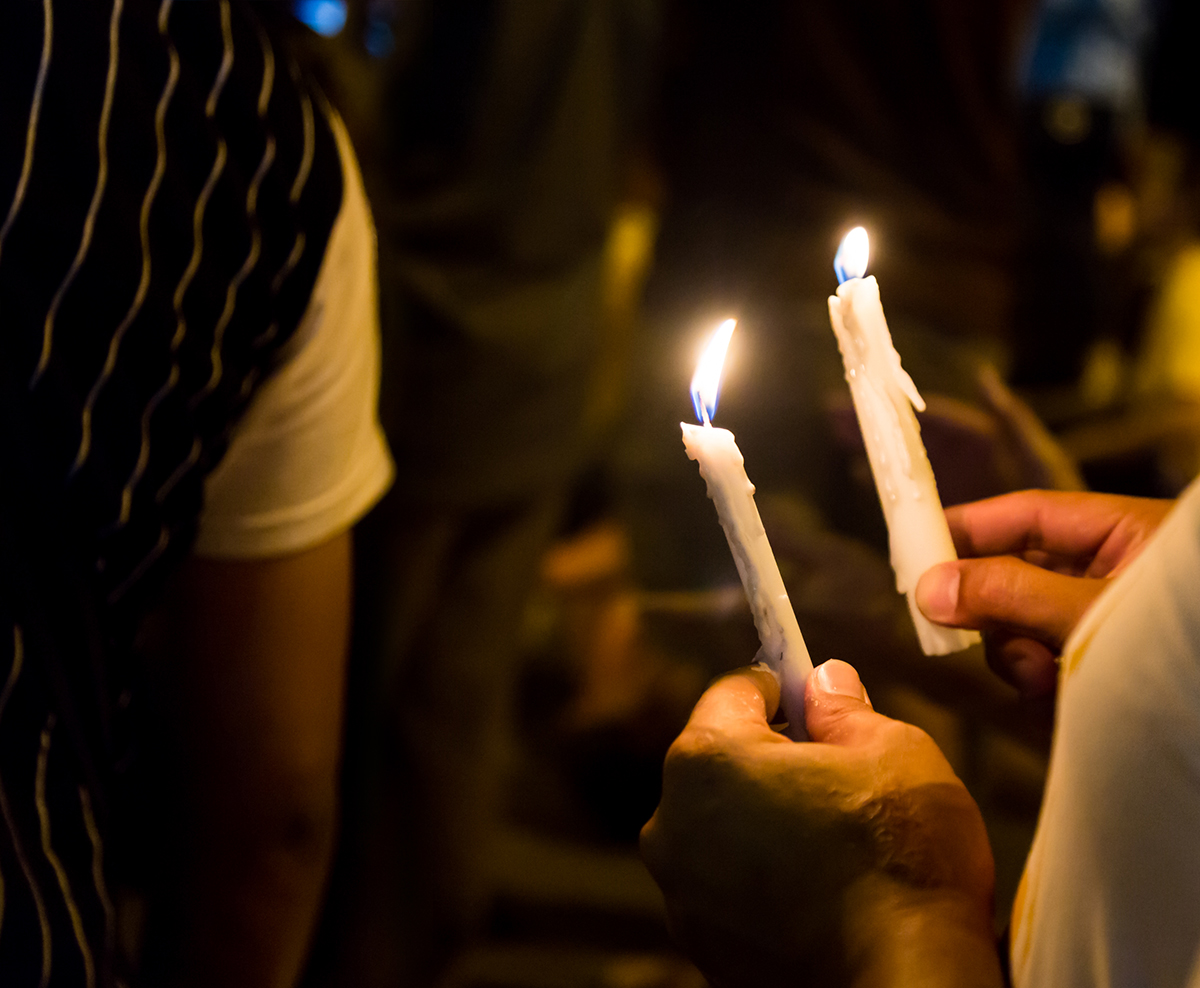
To our constituencies and communities,
The events in Minneapolis and across America since May 25 have wrested us from one crisis and plunged us into another. Still reeling from the COVID-19 pandemic, our communities have now been confronted with graphic imagery of the murder of George Floyd and the continued systemic violence against black Americans. These images are a vivid reminder of the deep racial inequality and racism that persists in our society.
We, the General Board of Higher Education and Ministry (GBHEM), echo the United Methodist Council of Bishops’ statement condemning such violence and inequity.
Over the past two weeks, we have seen horrifying examples of humanity at its worst. We’ve also seen the good that is possible when God’s children stand together and raise their voices in the call for justice.
As clergy, as educators, and particularly as baptized followers of Jesus in the Methodist tradition, we renounce the spiritual forces of wickedness. We affirm our opposition to racism, white supremacy and indifference. Our faith calls us to assemble, expose racists, reveal bigots and rebuke hatred:
“Is not this the fast that I choose:
to loose the bonds of injustice,
to undo the thongs of the yoke,
to let the oppressed go free,
and to break every yoke?” Isaiah 58: 6, NRSV
With its own ugly history of segregation, The United Methodist Church is not without blame in today’s persistent culture of racism. However, our church can be an agent for change.
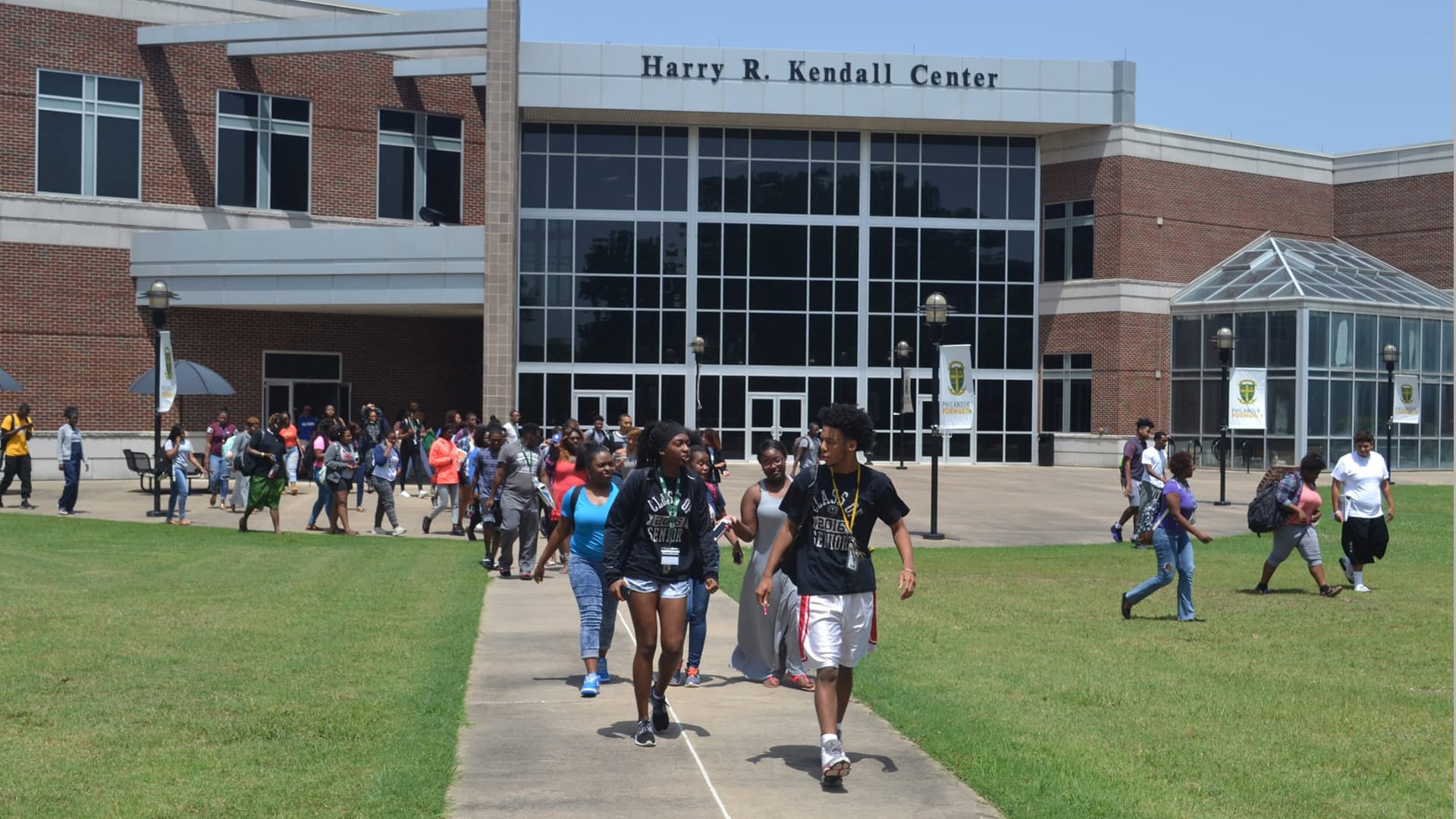
Methodists established the Freedmen’s Aid Society in 1866 to provide formal education for those who had survived slavery. This work eventually led to the creation of Methodist-related Historically Black Colleges and Universities (HBCUs). Today, through the United Methodist Black College Fund, the Church helps support 11 HBCUs. These institutions elevate the voices of people of color and play an indispensable role in shaping diverse young leaders for the Church, the academy and the world.
GBHEM is proud to administer the Black College Fund on behalf of the Church, but all of us – both within our agency and outside it – can do more to improve equity across the United States and the world.
Here are some concrete steps you can take today to support racial equality through higher education and the efforts of our United Methodist partner agencies:
- Support the Black College Fund
- Give to the Women of Color Scholars program
- Support GBHEM’s Ethnic Scholarship Program and Ethnic-in-Service Training Grants by giving to the World Communion Sunday Fund
- Learn from the General Commission on Religion and Race’s discussion series, “GCORR Real Talk”
- Visit the General Board of Church and Society website and review its “What You Can Do” section
- Download the United Methodist Women’s Racial Justice Toolkit
As diverse people committed to Methodist education and ministry, we are called to provide visible leadership in sustaining civil discourse, racial justice and compassionate collaboration. We pray for God to remind us that there is hope for redemption in the world and that evil shall not prevail.
May God have mercy on us all, be with those who suffer, and forgive us.
Grace and Peace,
The GBHEM Leadership Team
Related Posts

When Paul writes to the Philippians, he is aware that his life is unfinished. He knows he still has more to accomplish. He is driven by his mission and his love for others. I know an unfinished life is not the same as an abridged one. They have in common that they are not complete, that there is more to do.

The University Senate of The United Methodist Church has approved a new Framework for United Methodist Formation, establishing a more comprehensive and flexible approach to preparing United Methodist candidates for ministry at approved non-United Methodist theological schools.

As of late September 2026, This Moment Matters has disbursed $38.6 million across 681 grants in the areas of agriculture and food security, education, health, migration, and peace.