
When I talk to young people about peacemaking, I hear their cynicism. They’ve told me, “Why bother?” They seem to think no one is trying.
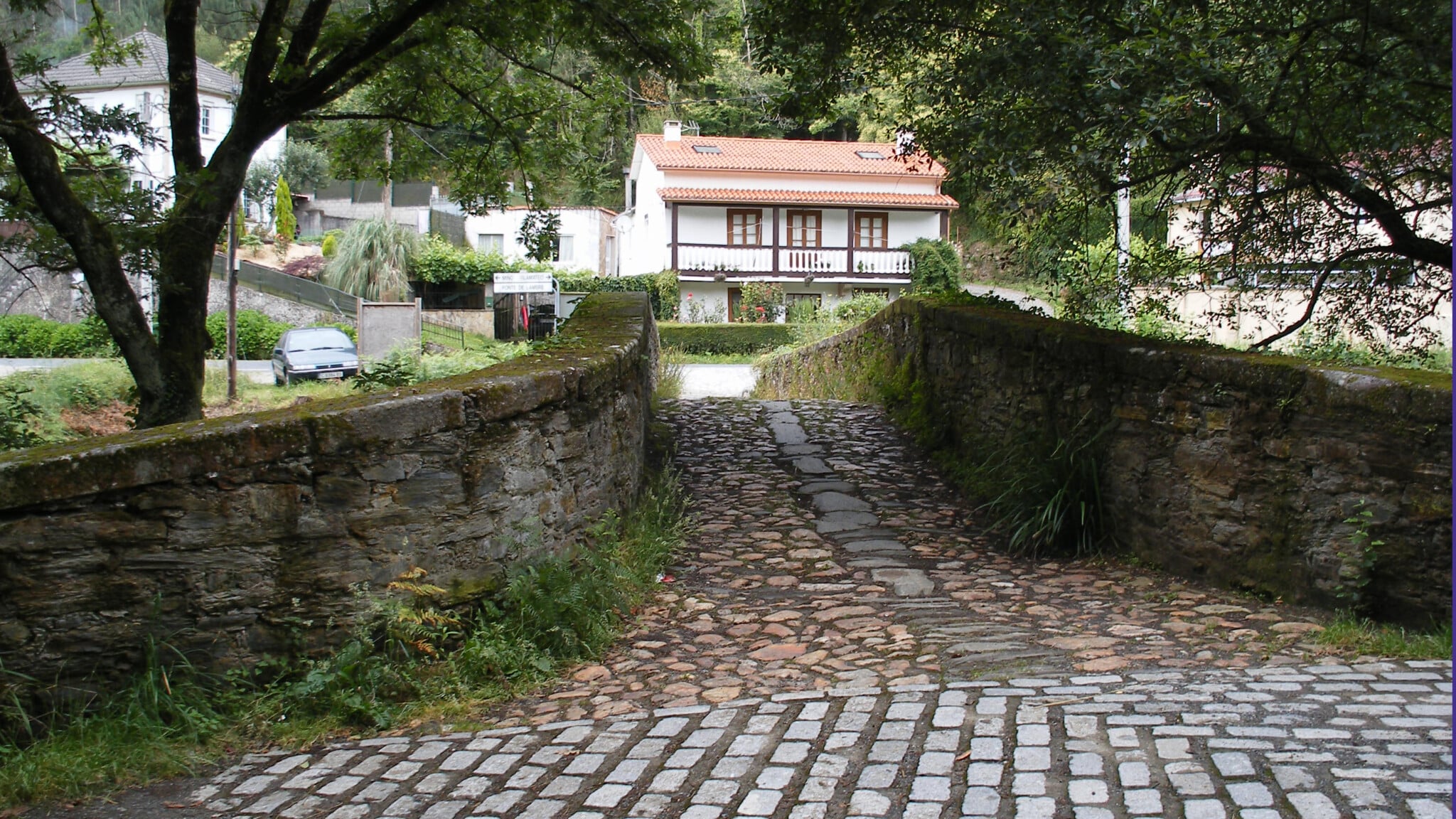
I had one of the most beautiful experiences at an Albergue. On El Camino de Santiago there are many opportunities to stop. Albergues are inns, places where people can stop for the night and rest. Some albergues offer different amenities during the day. Some serve as cafes, places where you can have a bite to eat, use the restroom, and refill your water bottle. Most of them would charge a euro to use the restroom. Some would not allow you to use the facilities unless you were a customer.

Methodism has a long history with the concept of perfection. In 18th-century England, perfection or perfectionism was understood the same way it is today. Perfection meant something without error or blemish. John and Charles Wesley, and the early leaders of the Methodist movement, understood perfection differently. In their practice, perfection was related to the Greek term teleio, which conveys maturity, wholeness, and completion.
To commemorate this National Hispanic Heritage Month, I share with you parts of a poem by Julia de Burgos. She was a Puerto Rican poet, lauded as one of the most important poets of her time. The poem is an ode to setting our own path, even if this means breaking with old patterns and expectations. Following this vocation is a way to find peace in life.
Adopting mannerisms, values, and practices is a form of incarnation. Incarnation is being in someone else’s flesh. In the Christian tradition, when we speak of the Incarnation, we speak of the mystery of God becoming like one of us.

Kathleen Norris writes about her students’ reflections on silence. Silence is sometimes scary. To hold silence is to let go of control. Sometimes we do not know what will follow after silence

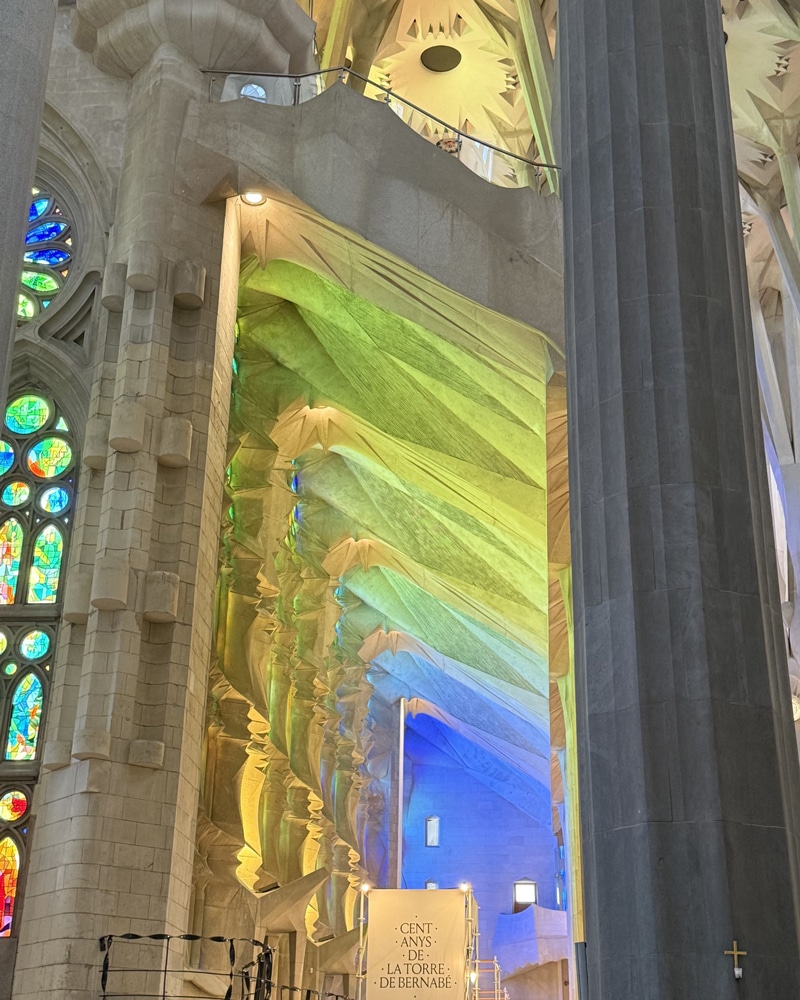
Last May, I had the honor of leading a group of chaplains and campus ministers on El Camino de Santiago in Spain. The experience was life-changing for all participants. After we completed El Camino, I took a few days off to meet my sisters in Barcelona for a weekend together. While there, I visited La Sagrada Familia Basilica. Being in and around the building was a deep spiritual experience.

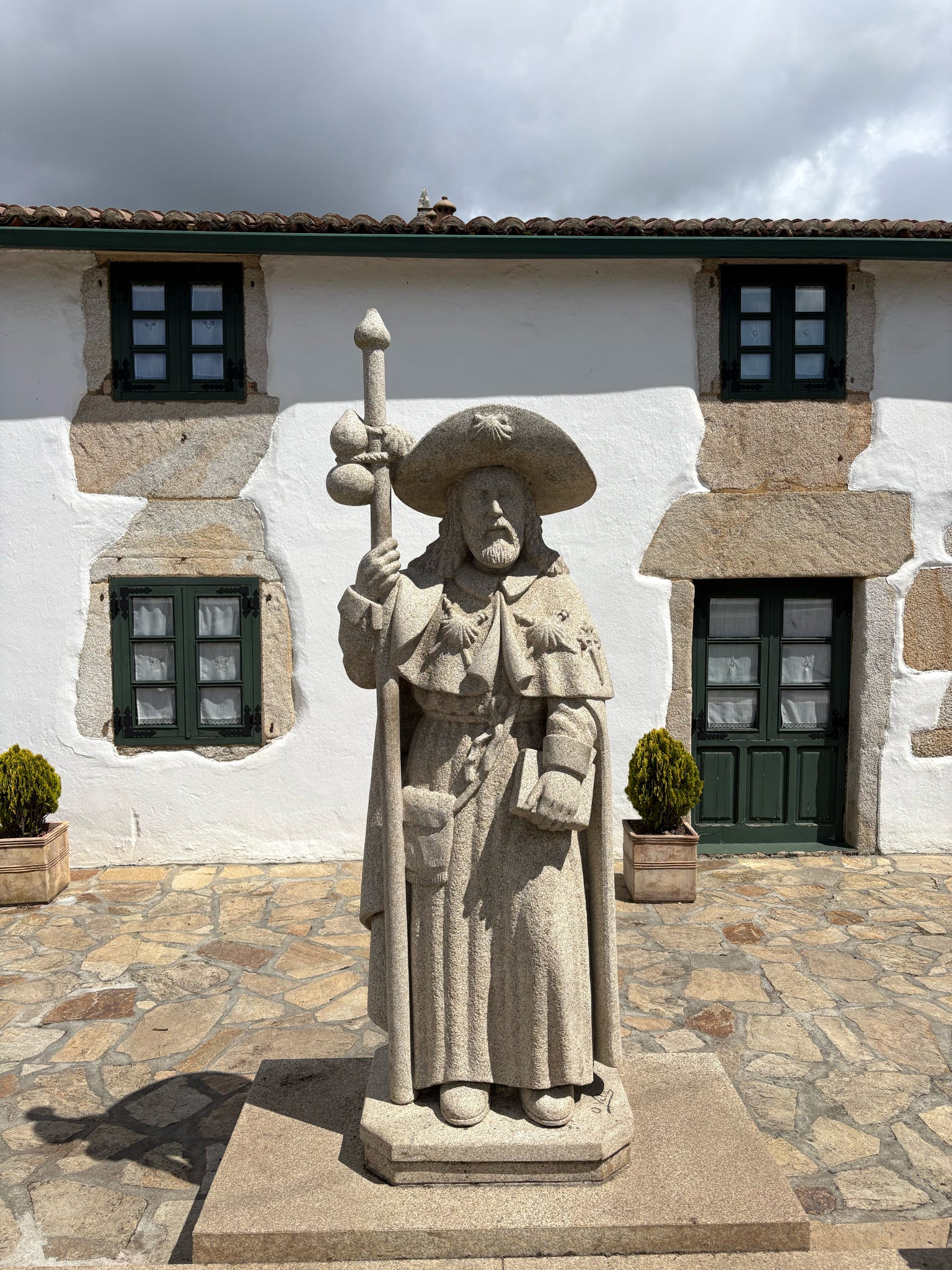
The most ubiquitous tools on El Camino are walking sticks. They are reminiscent of a traditional depiction of St. James as a pilgrim with a walking stick. Attached to it is a gourd, his own version of a water bottle. He also wears a large hat, a robe, and a satchel with the things he needs for a long journey.
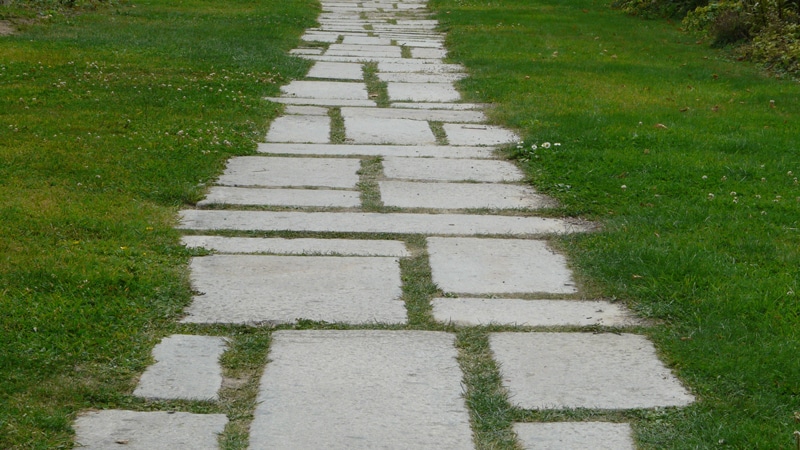
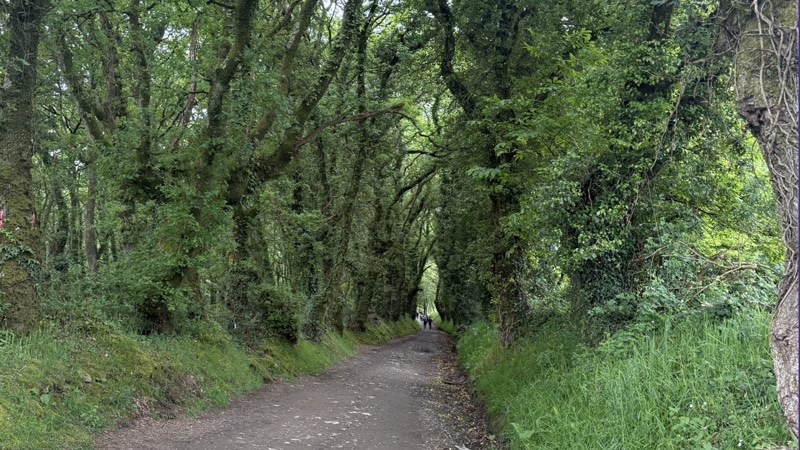
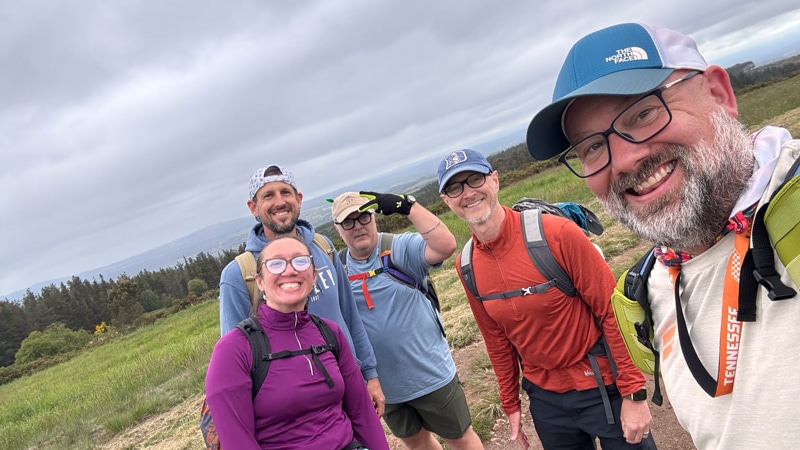
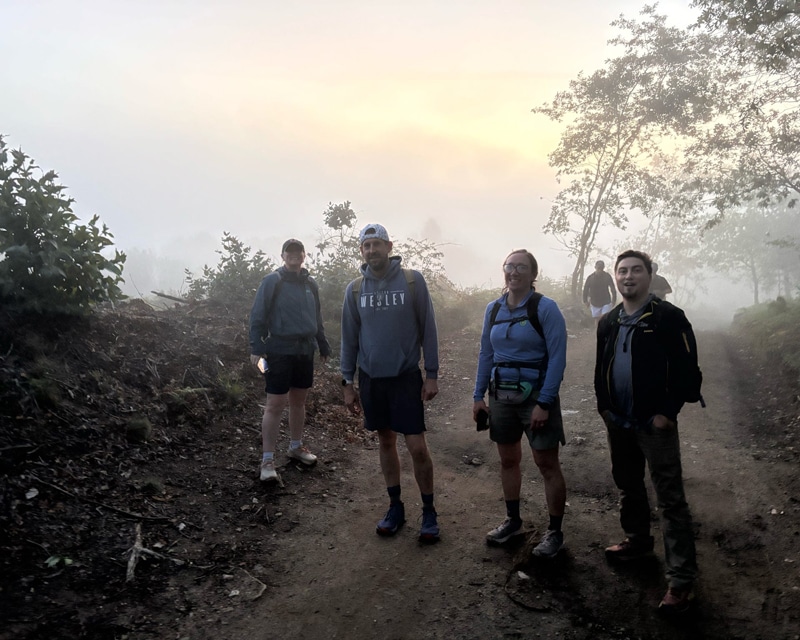
Last May, I took 10 chaplains and campus ministers on a pilgrimage. We walked the last 72 miles of Spain’s El Camino de Santiago. This is one of the oldest pilgrimages in Christendom. It began in the 9th century with the claim that the remains of St. James were found in a nearby forest. Since then, pilgrims have walked El Camino in search of deeper meaning in their lives.

In May, nine United Methodist chaplains and campus ministers stepped onto Spain’s El Camino de Santiago, not simply to walk, but to listen for God more deeply. The journey created sacred space for discernment, renewal and connection among leaders who spend their days guiding others. The eight-day pilgrimage, supported by the General Board of Higher Education and Ministry (GBHEM), was part of the Office of Collegiate Ministries Spiritual Development program, which provided $2,000 stipends for the nine participants.



Nurturing Leaders. Changing Lives.

The General Board of Higher Education and Ministry of The United Methodist Church, Inc. works with people and partners around the world to connect the church and the academy and prepare transformative leaders for the church and the world.
Copyright © 2026 General Board of Higher Education and Ministry. All Rights Reserved.
Keep in touch
Street Address:
1908 Grand Ave.
Nashville, TN 37212
Mailing Address:
P.O. Box 340007
Nashville, TN 37203-0007